David Trueba (Madrid, 1969) is one of the leading Spanish novelists of his generation. Writer, film director and scriptwriter for his own films, he has built a distinctive and accomplished body of work that has earned both critical acclaim and a wide readership. In 2025 he was named Doctor Honoris Causa by the University of Naples L’Orientale in recognition of his contribution to literature and culture.
Since the publication of Abierto toda la noche (Anagrama, 1995), his fiction has been translated into numerous languages and has established him as a major voice in contemporary European literature. It was followed by Cuatro amigos (Anagrama, 1999), a modern classic with more than twenty editions in Spain, and Saber perder (Anagrama, 2008), widely regarded as one of the landmark Spanish novels of the twenty-first century. The novel received the Spanish National Critics’ Prize and was shortlisted for France’s Prix Médicis Étranger, bringing Trueba international recognition.
His subsequent novels include Blitz (Anagrama, 2015), Tierra de campos (Anagrama, 2017), one of his most ambitious and celebrated works, which won him the Madrid Critics’ Prize, El río baja sucio (Siruela, 2019), which introduced his fiction to a new generation of readers, and Queridos niños (Anagrama, 2021), a sharp political satire. Alongside his fiction, he has published the essay collections La tiranía sin tiranos (Anagrama, 2018), Ganarse la vida (Anagrama, 2020) and Mi 69 (Anagrama, 2025).
Alongside his literary career, Trueba is also an acclaimed screenwriter and film director. His film Vivir es fácil con los ojos cerrados (2013) won six Goya Awards, including Best Picture, Best Director and Best Original Screenplay, and was longlisted for the Oscars 2015 in the Best Foreign Film category. More recently, he premiered Siempre es invierno (2025), an adaptation from his own novel Blitz.
His forthcoming novel is Guerra Fría (Anagrama, 2027), set to be published in 2027, a kaleidoscopic portait of the personal and political conflicts shaping contemporary life.

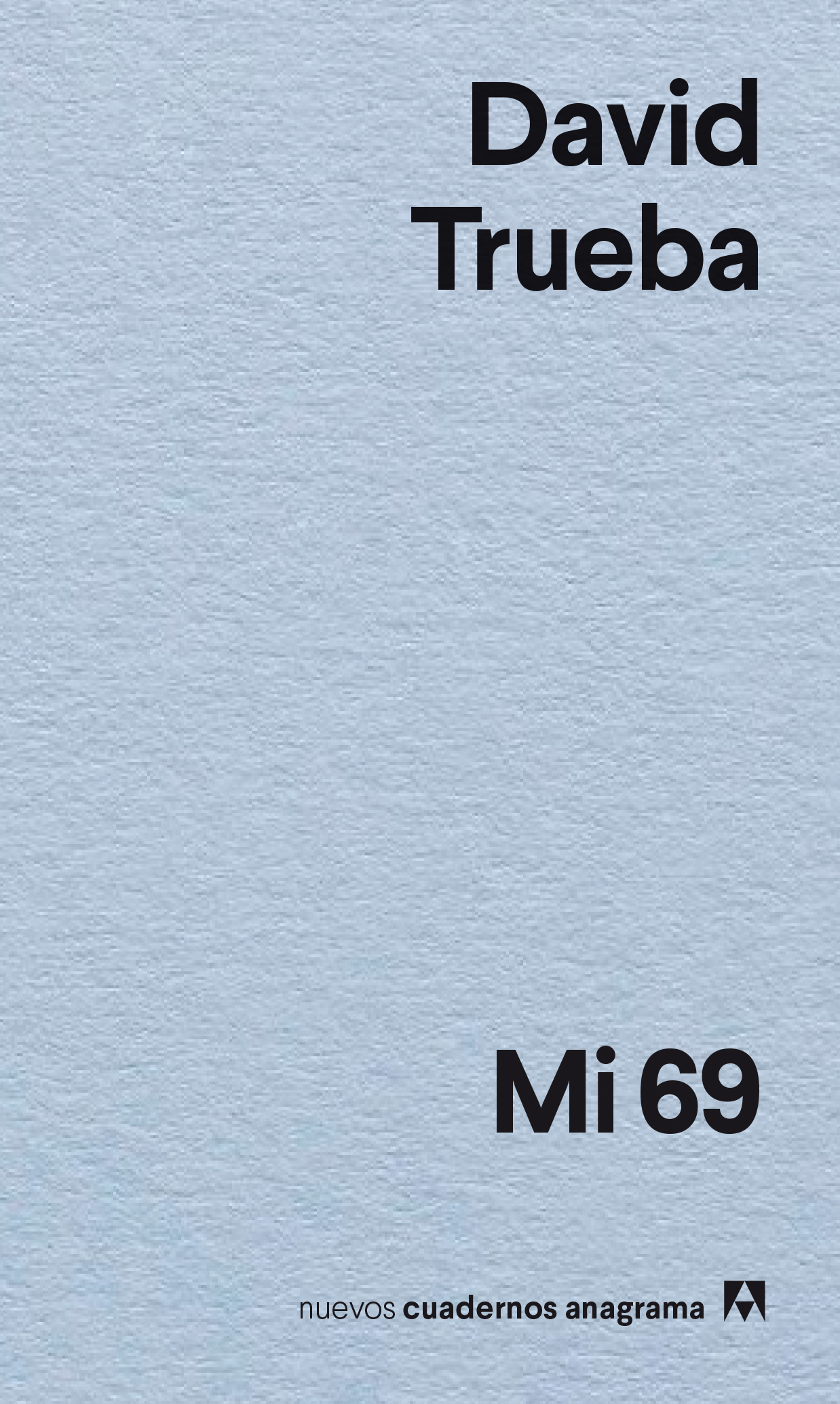
Mi 69
My 69 | Anagrama, 2025
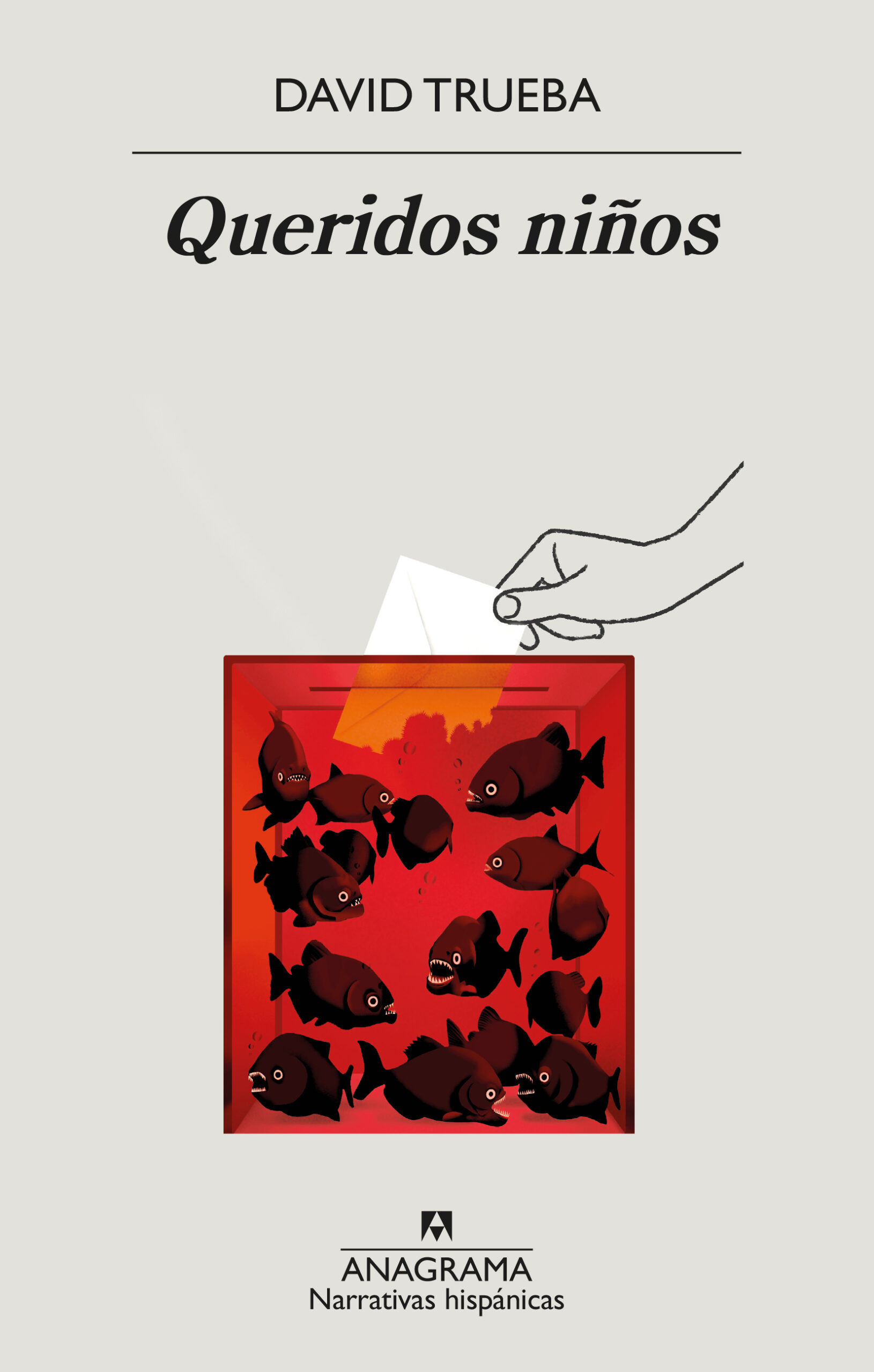
Queridos niños
Dear Children | Anagrama, 2021
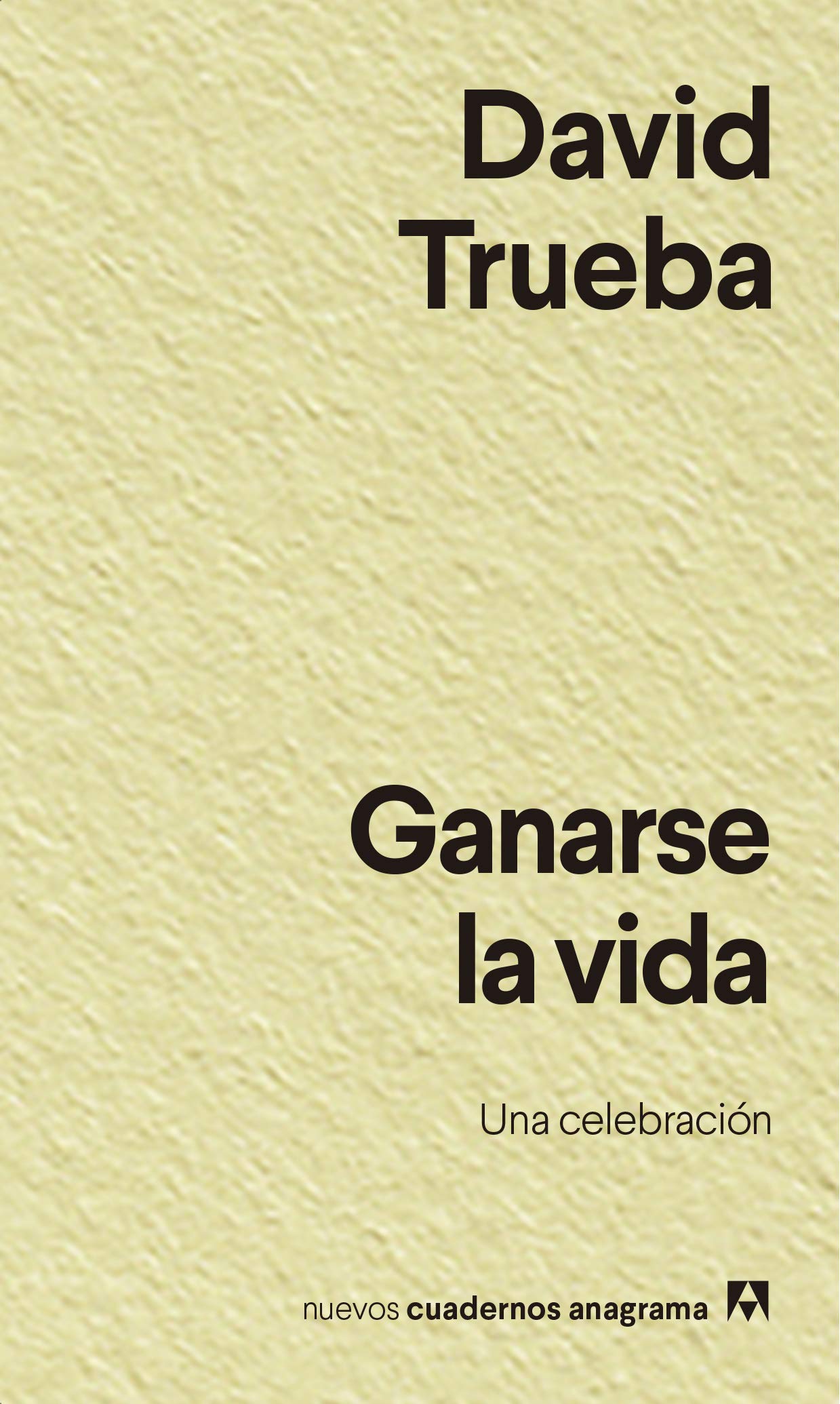
Ganarse la vida. Una celebración
To Make A Living | Anagrama, 2020
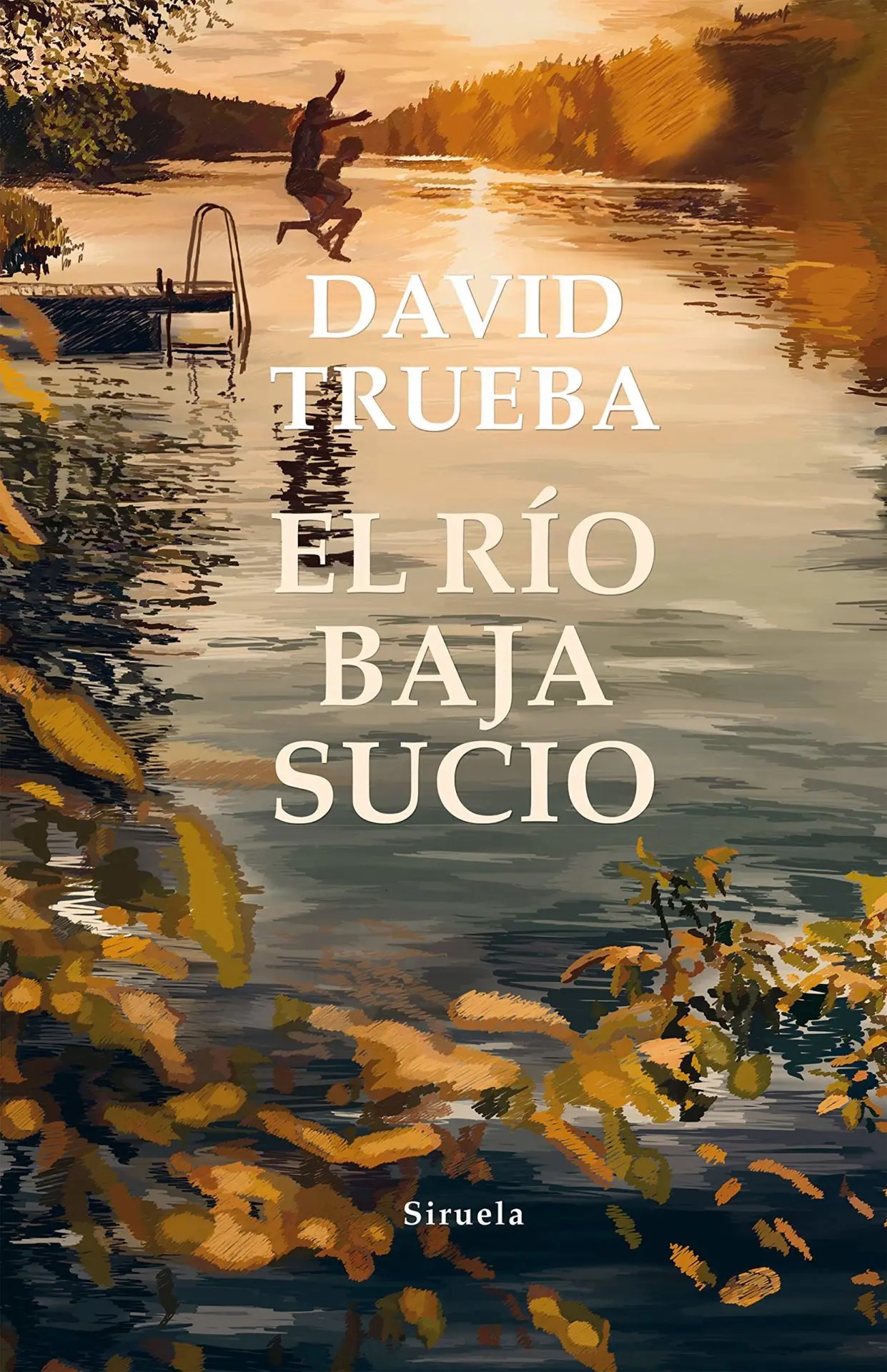
El río baja sucio
The River Runs Dirty | Siruela, 2019
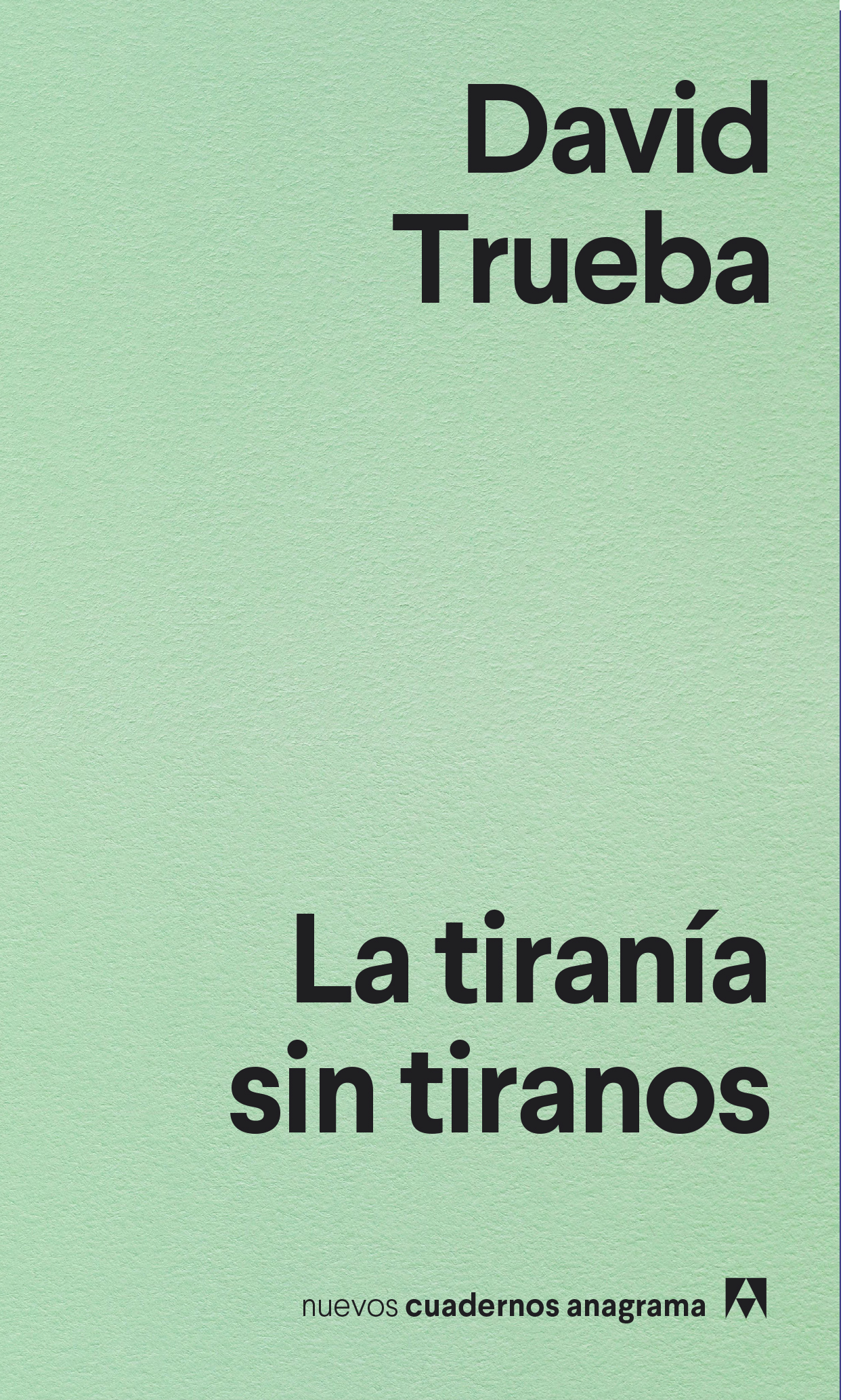
La tiranía sin tiranos
Tyranny Without Tyrants | Anagrama, 2018
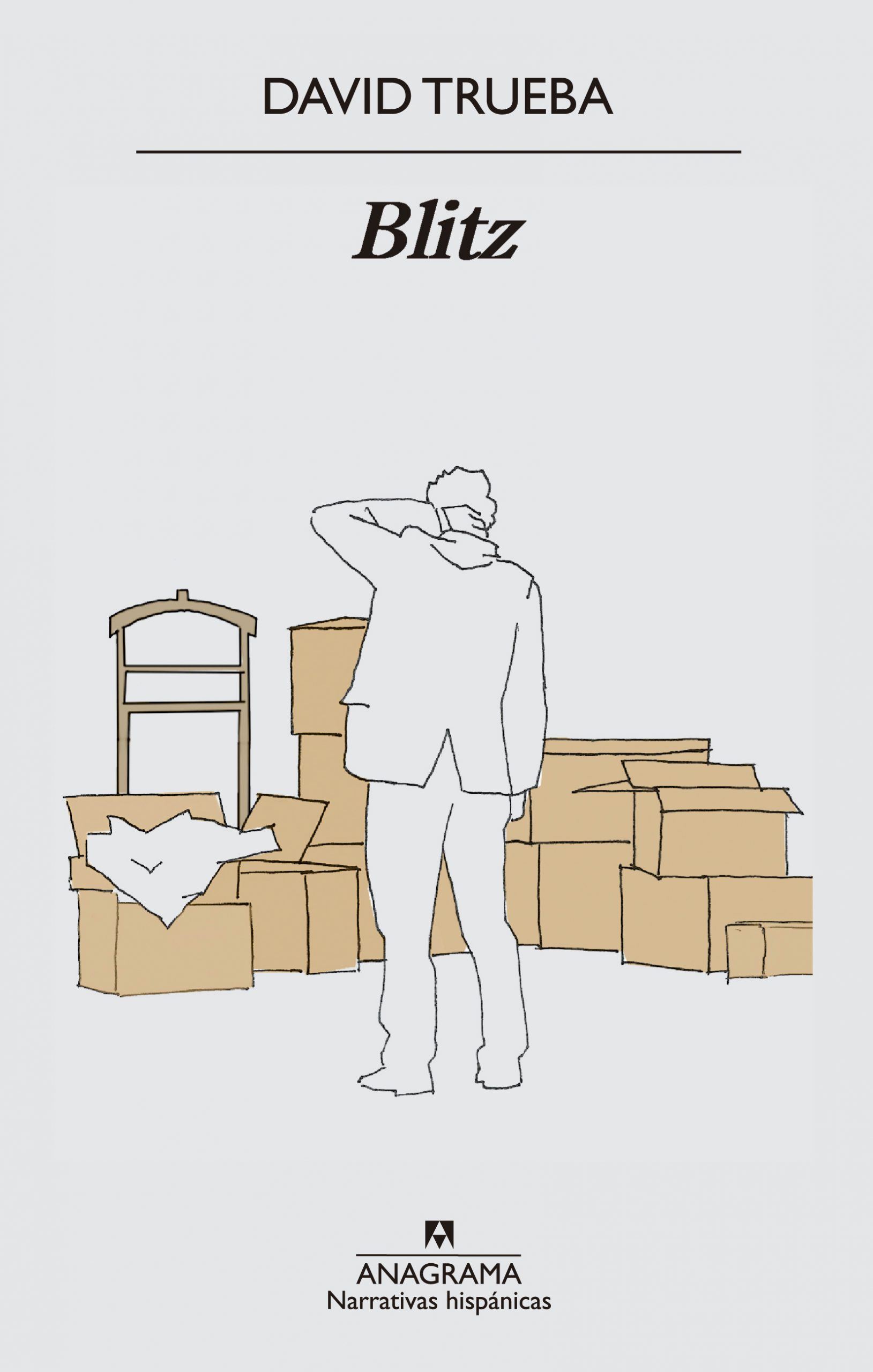
Blitz
Blitz | Anagrama, 2015
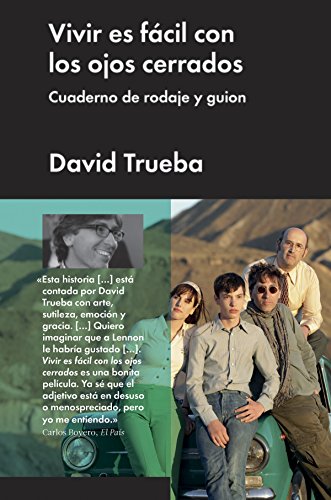
Vivir es fácil con los ojos cerrados. Cuaderno de rodaje y guión
Living Is Easy with Eyes Closed. Making-Of Notebook | Malpaso, 2014
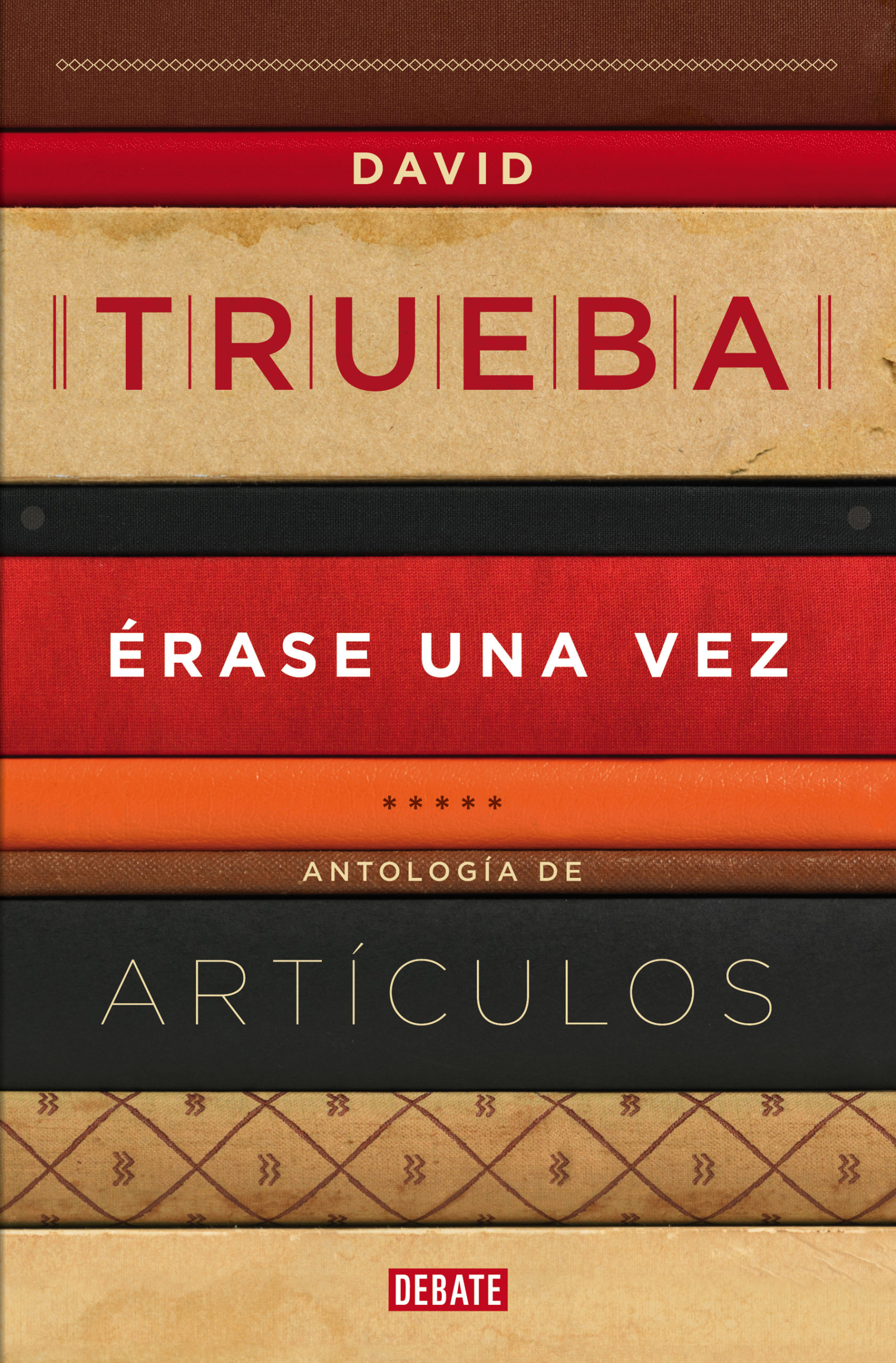
Érase una vez
Once Upon A Time | Debate, 2013
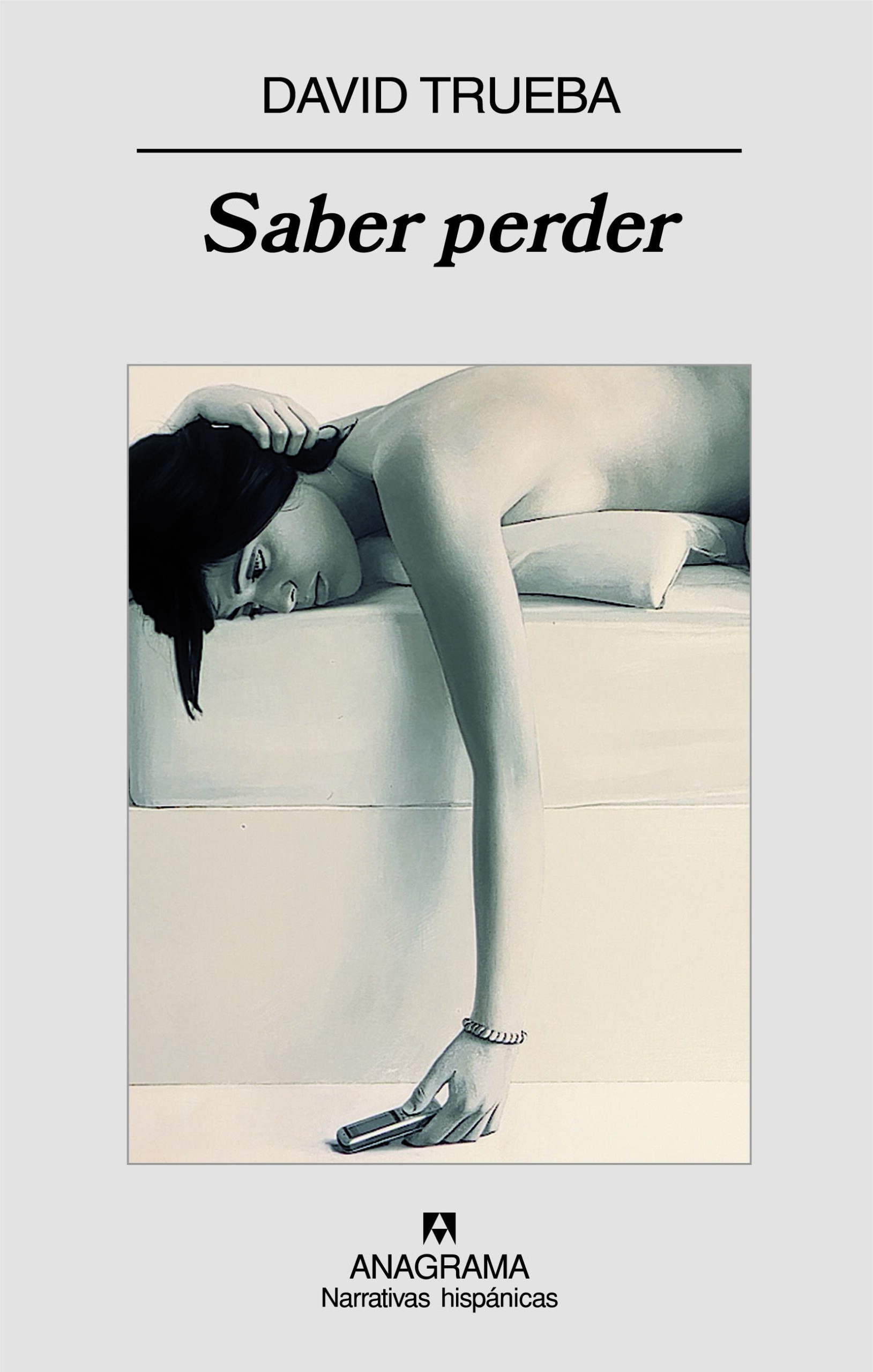
Saber perder
Learning To Lose | Anagrama, 2008
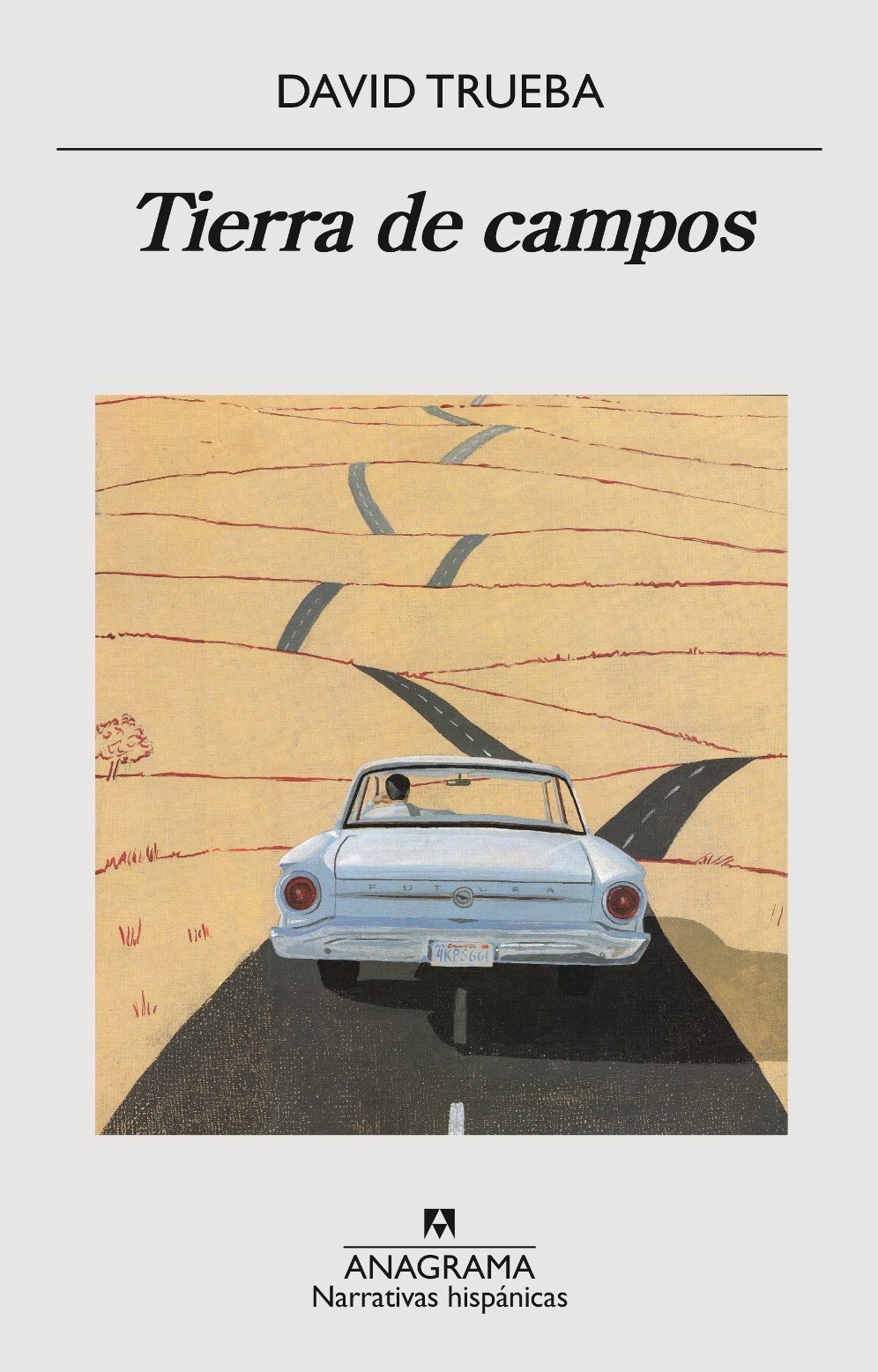
Tierra de campos
Rolling Fields | Anagrama, 2007
Tragarse la lengua y otros artículos de ocasión
Swallowing My Tongue | Ediciones B, 2003
Como quieras, cuando quieras, donde quieras. En la cocina de Sergi Arola
As You Like, When You Like, Where You Like | RBA, 2002
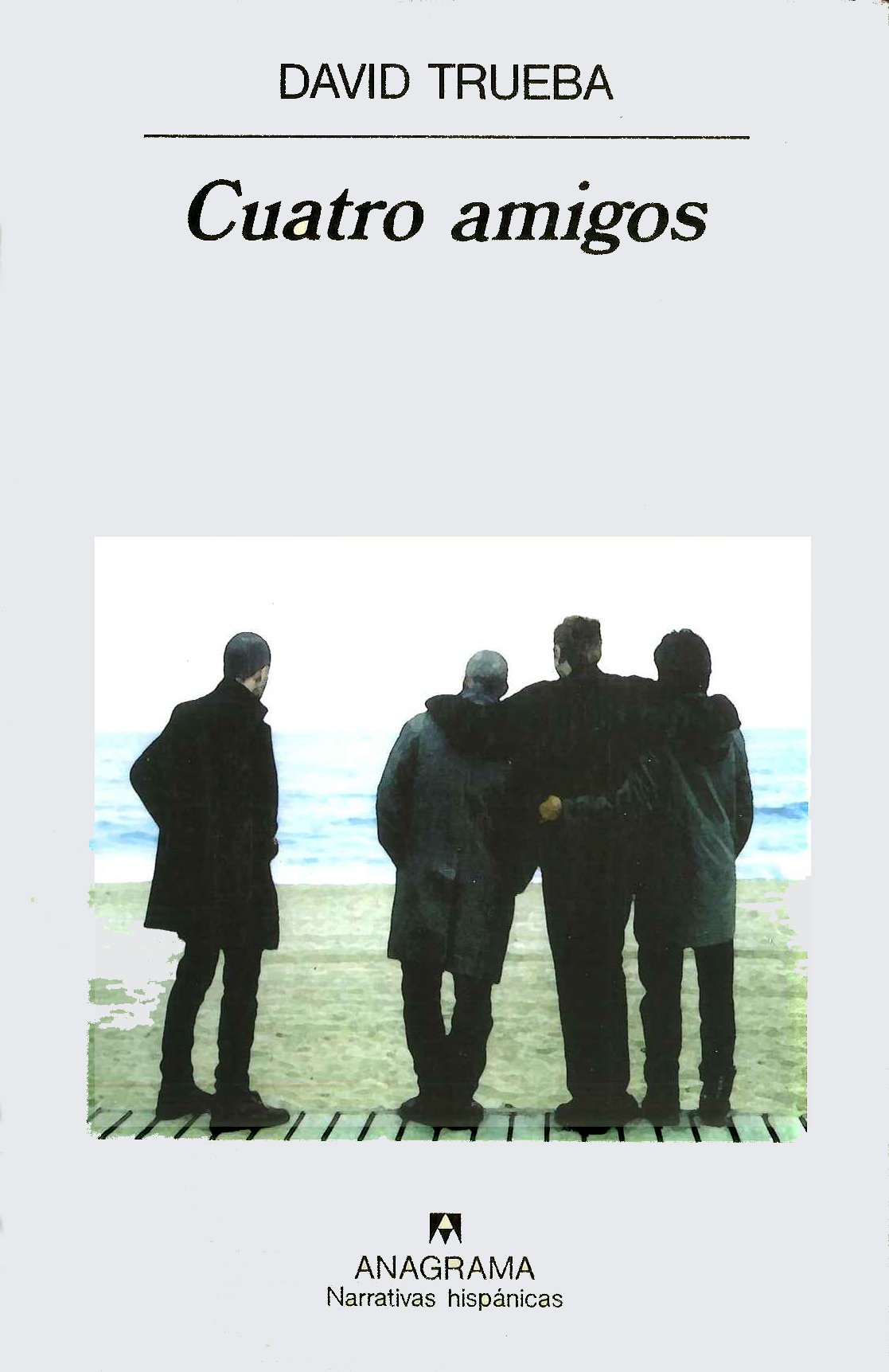
Cuatro amigos
Four Friends | Anagrama, 1999
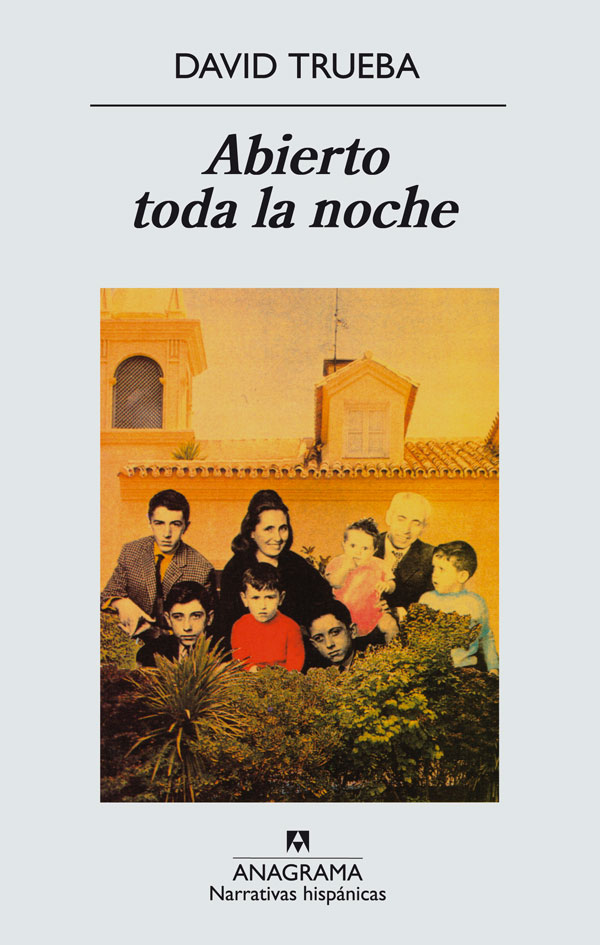
Abierto toda la noche
Open All Night | Anagrama, 1995


