

El viaje vertical
The Vertical Journey | Anagrama, 1999
PRESS
TRANSLATIONS
The Vertical Journey | Anagrama, 1999

Montevideo | Seix-Barral, 2022
This Senseless Fog | Seix Barral, 2019
Cabinet d'Amateur, an Oblique Novel | Whitechapel, 2019

Try Your Luck | Círculo de Tiza, 2018
Mac's Problem | Seix Barral, 2017

Marienbad Electric | Seix Barral, 2016
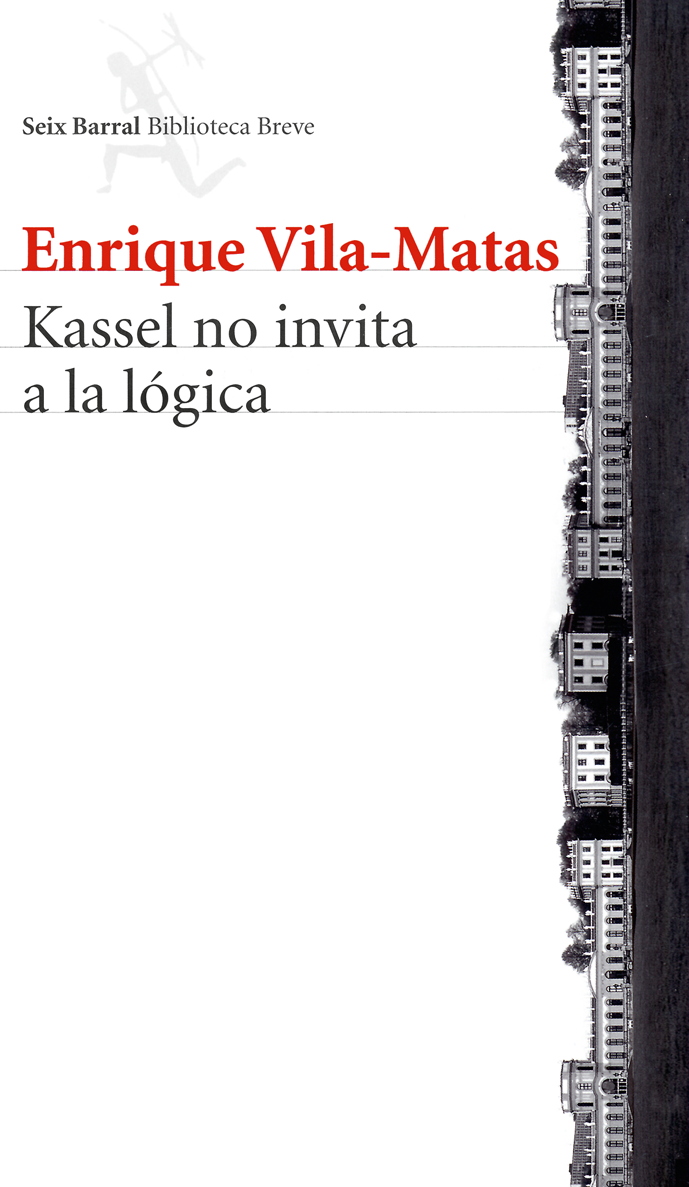
Kassel Does Not Call For Logic | Seix Barral, 2014
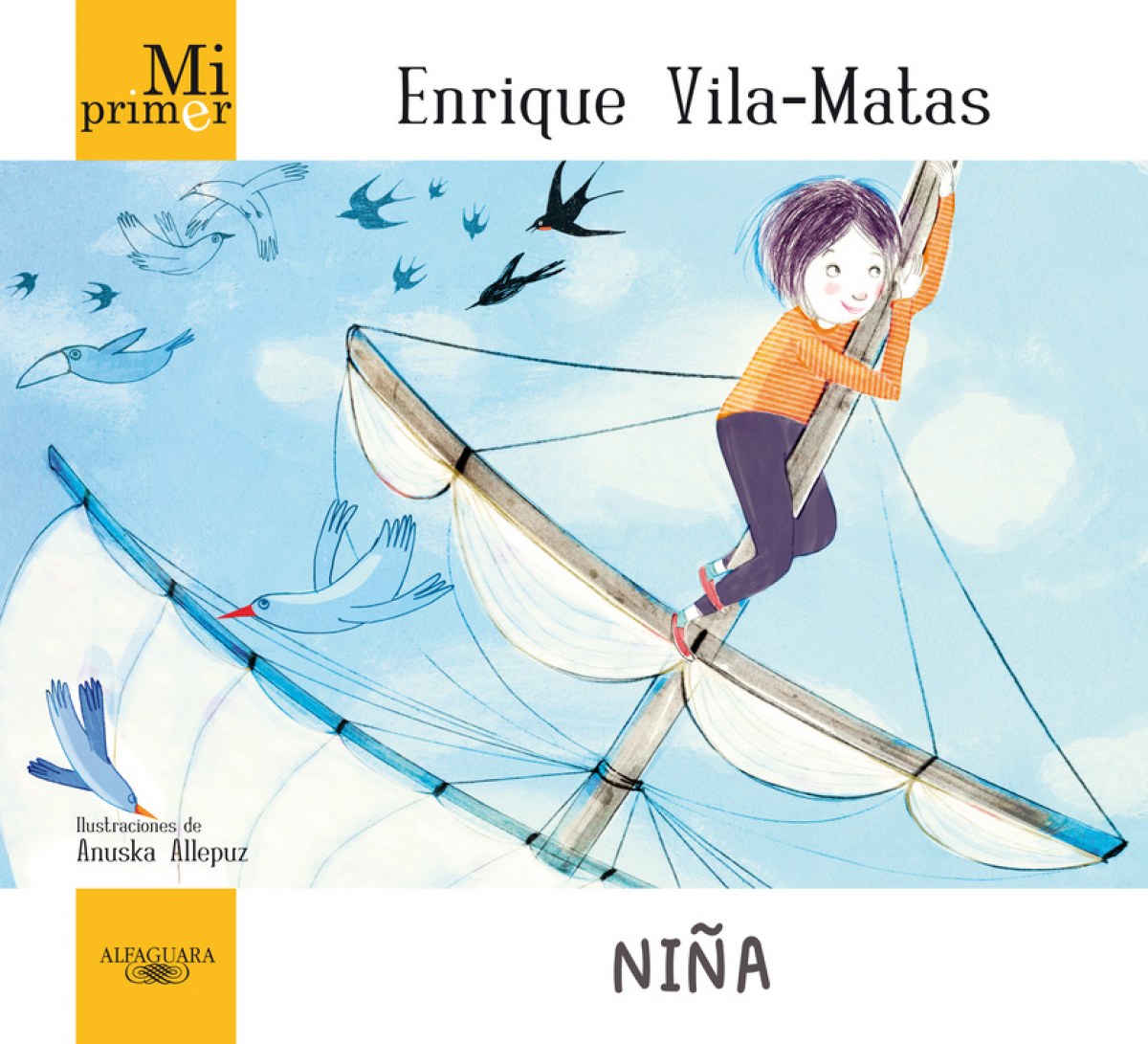
Girl | Alfaguara Infantil, 2013
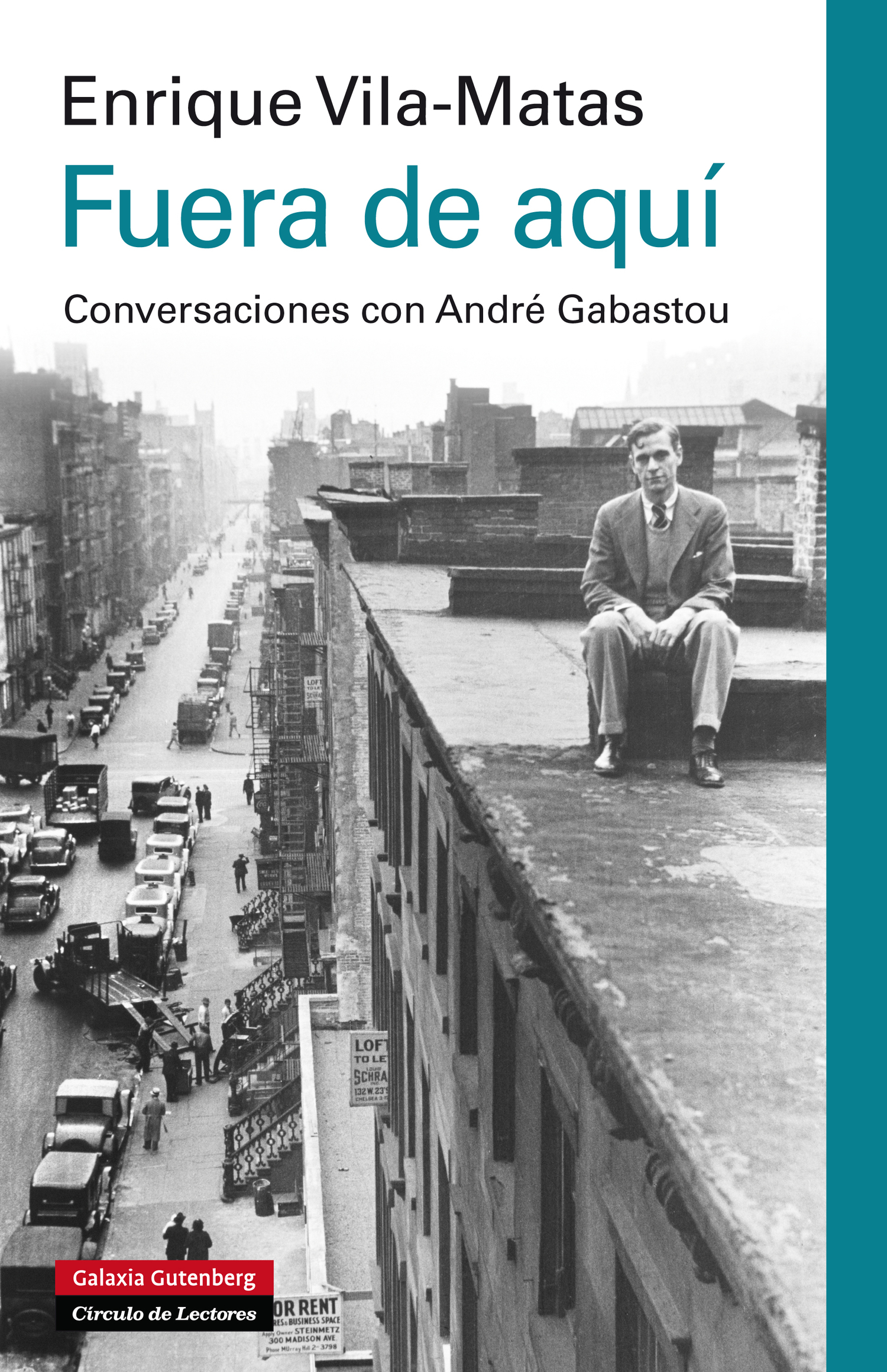
Away From Here | Galaxia Gutenberg, 2013
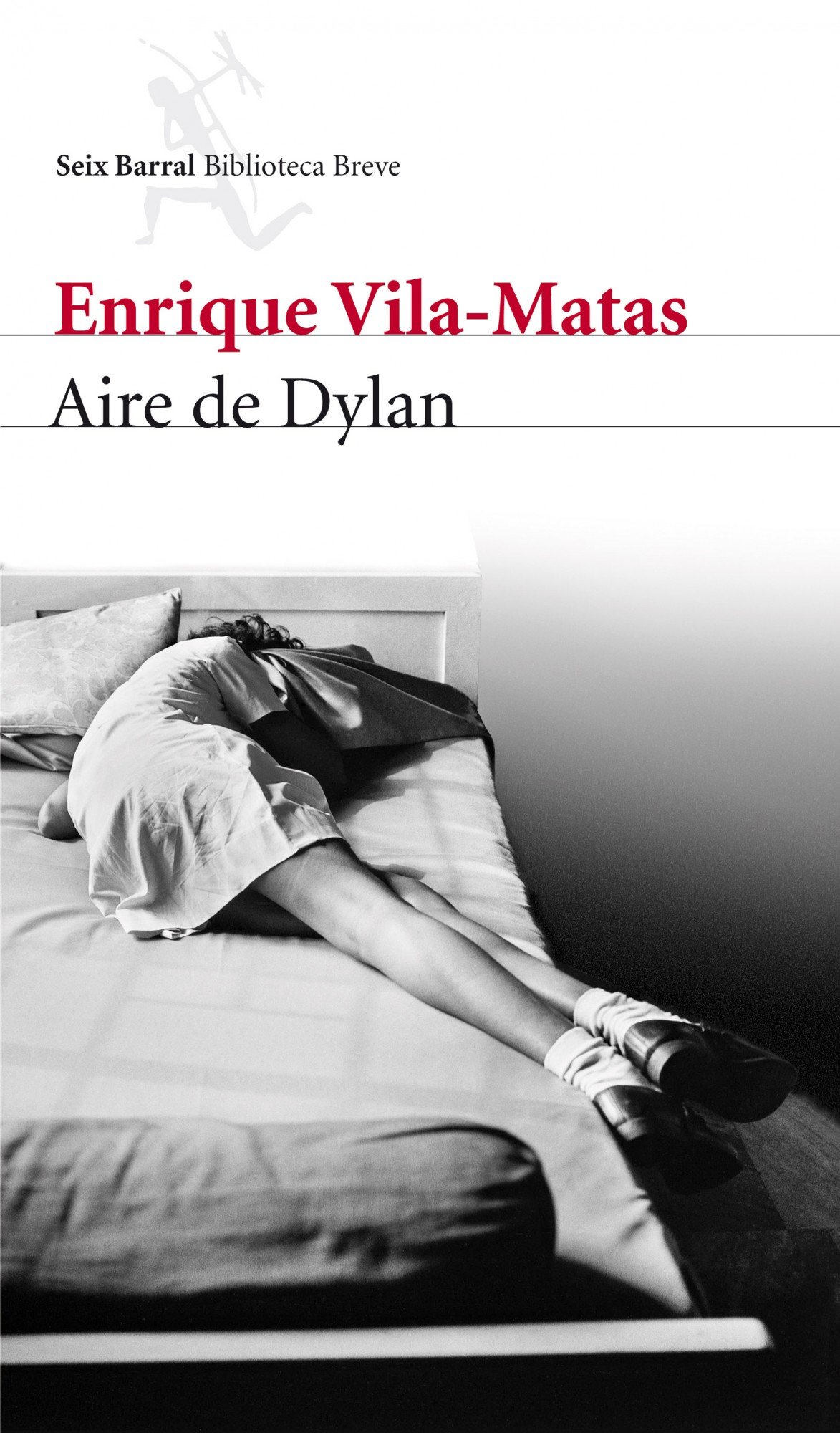
Dylan's Air | Seix Barral, 2012
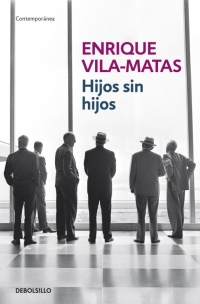
Children without Children | Anagrama, 1993; PRH/DeBolsillo, 2012
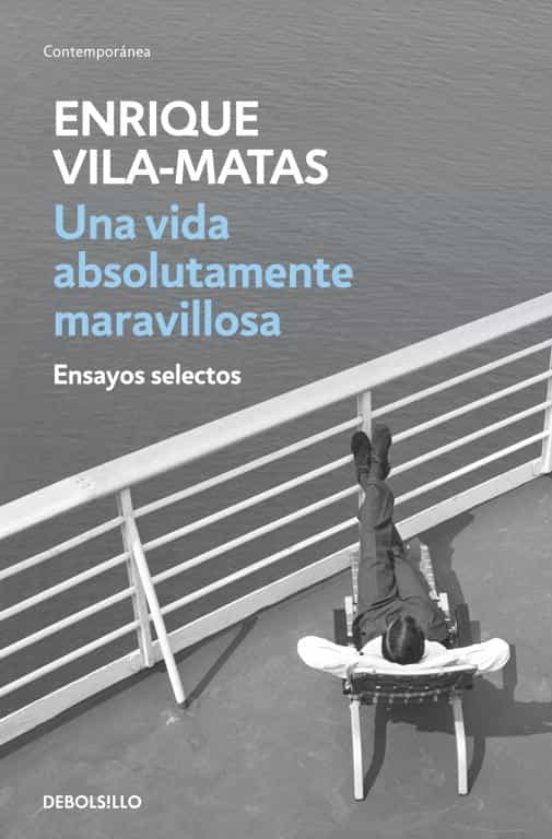
An Absolutely Wonderful Life. Selected Essays | PRH/Debolsillo, 2011
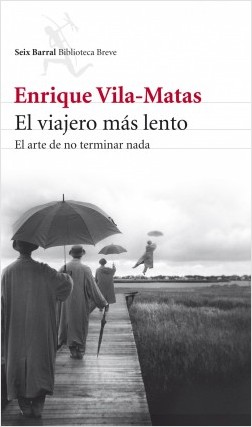
The slowest traveller. The art of finishing nothing | Anagram, 1992; Seix Barral, 2011

Chet Baker thinks about his art | RHM - DEBOLSILLO, 2011

In a Lonely Place | RHM - DEBOLSILLO, 2011
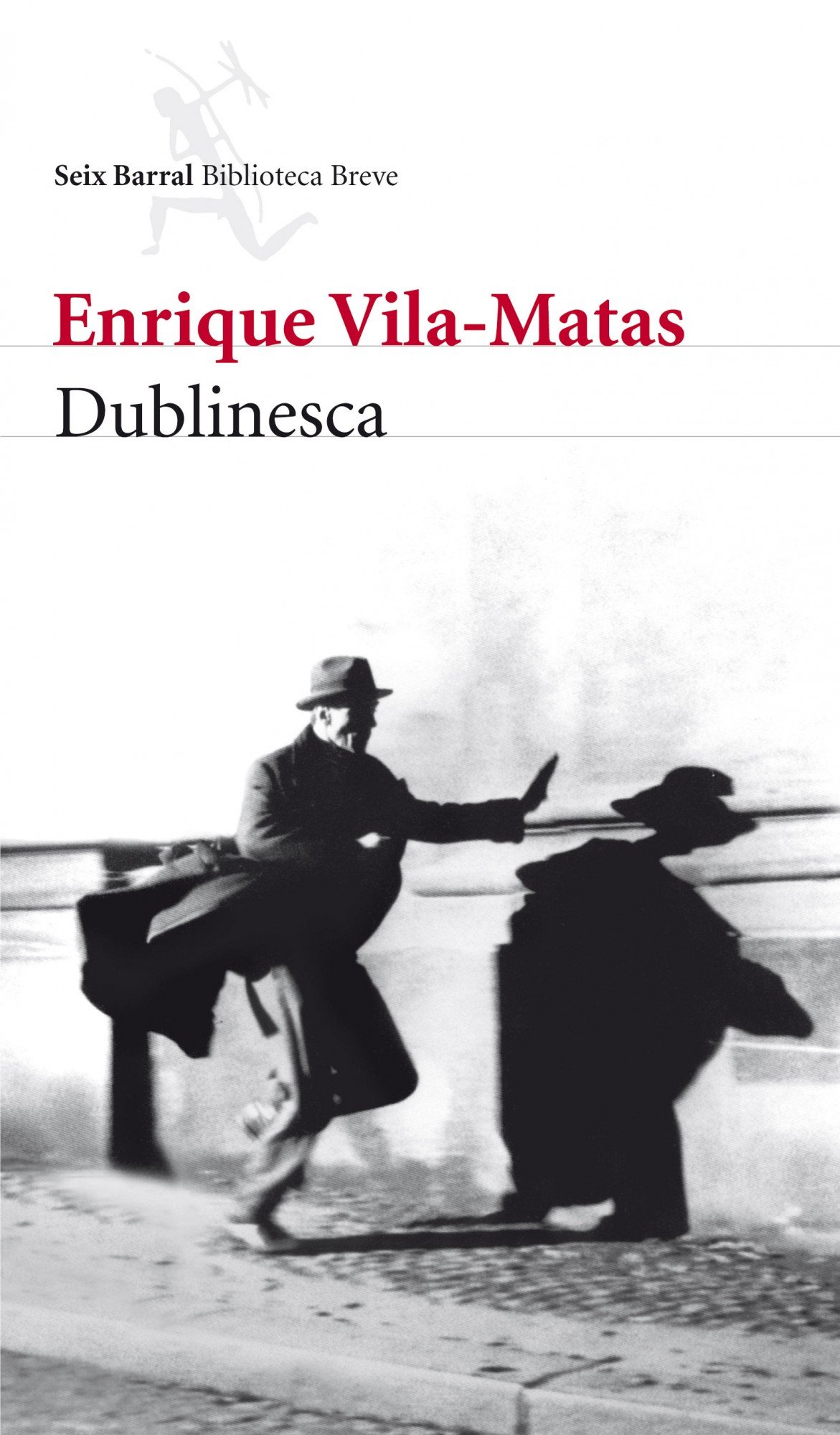
Dublinesque | Seix Barral, 2010; Debolsillo, 2011
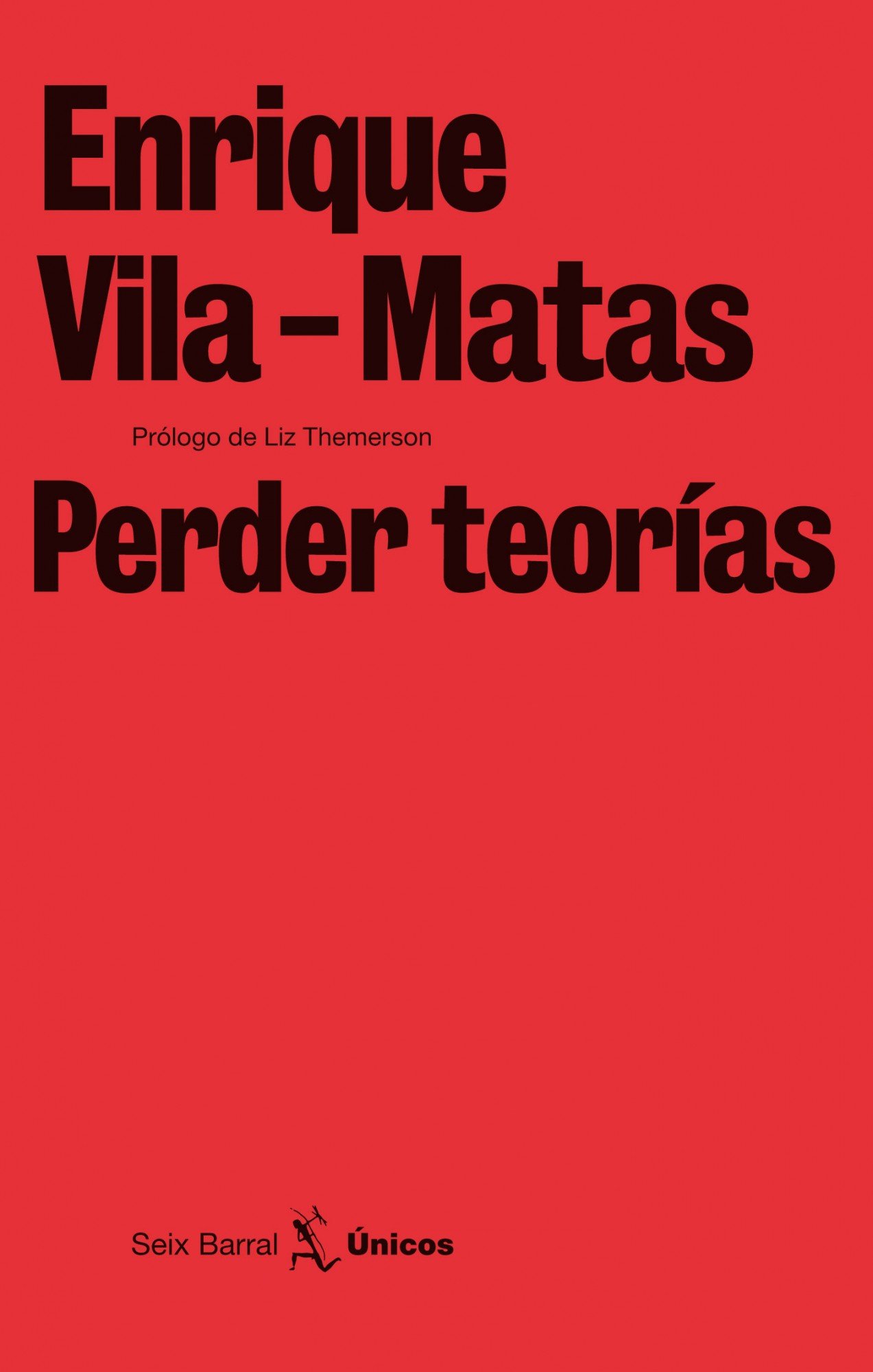
Losing Theories | Seix Barral, 2010. Colección Únicos
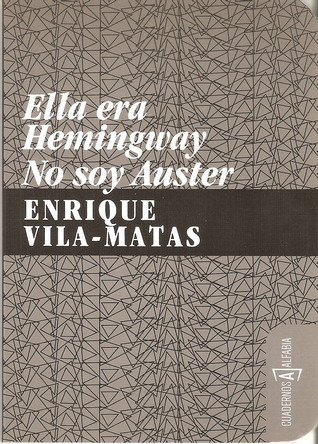
She was Hemingway, I’m not Auster | Alfabia, 2008
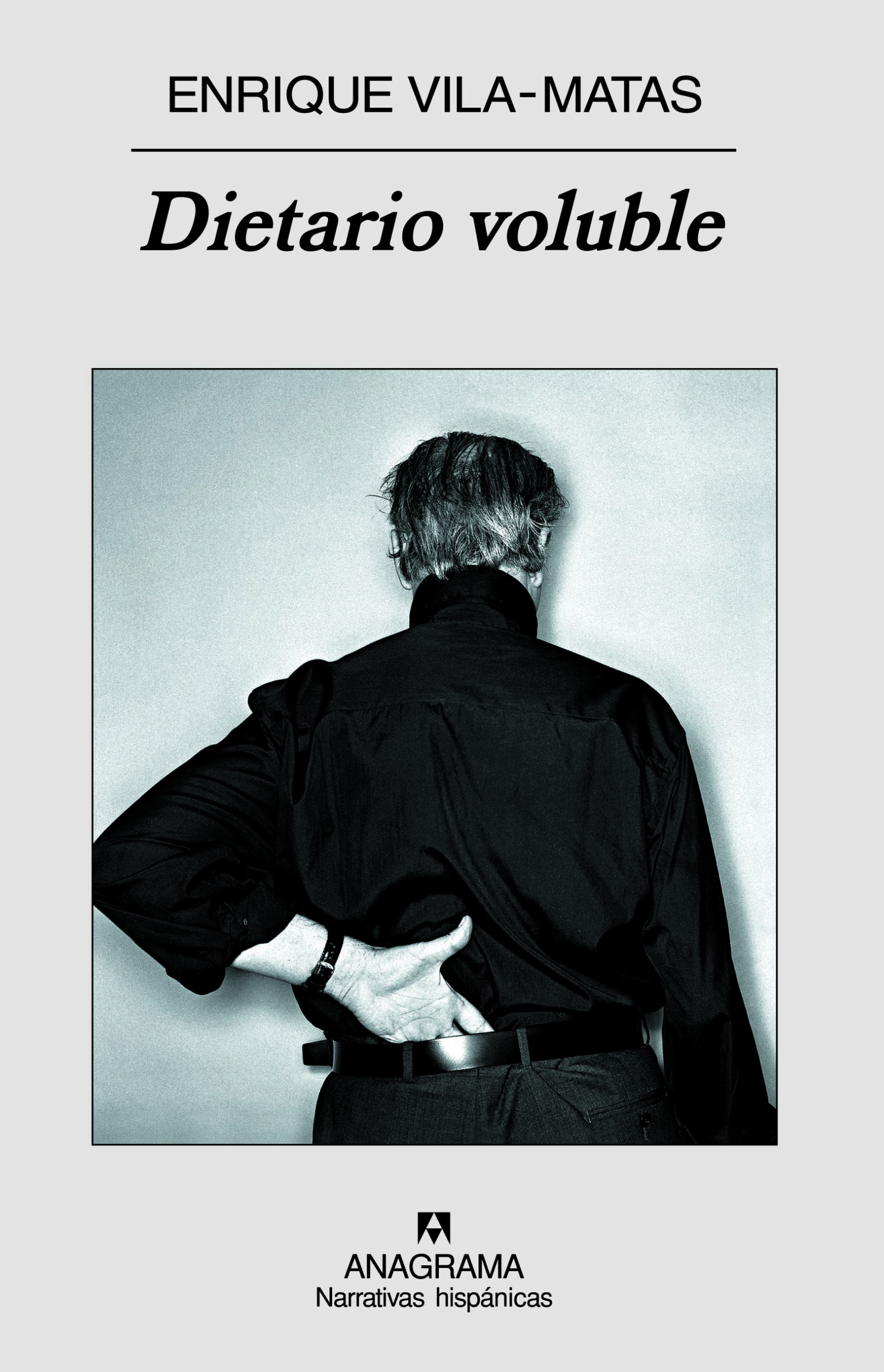
Volatile Diary | Anagrama, 2008; PRH/DeBolsillo, 2016
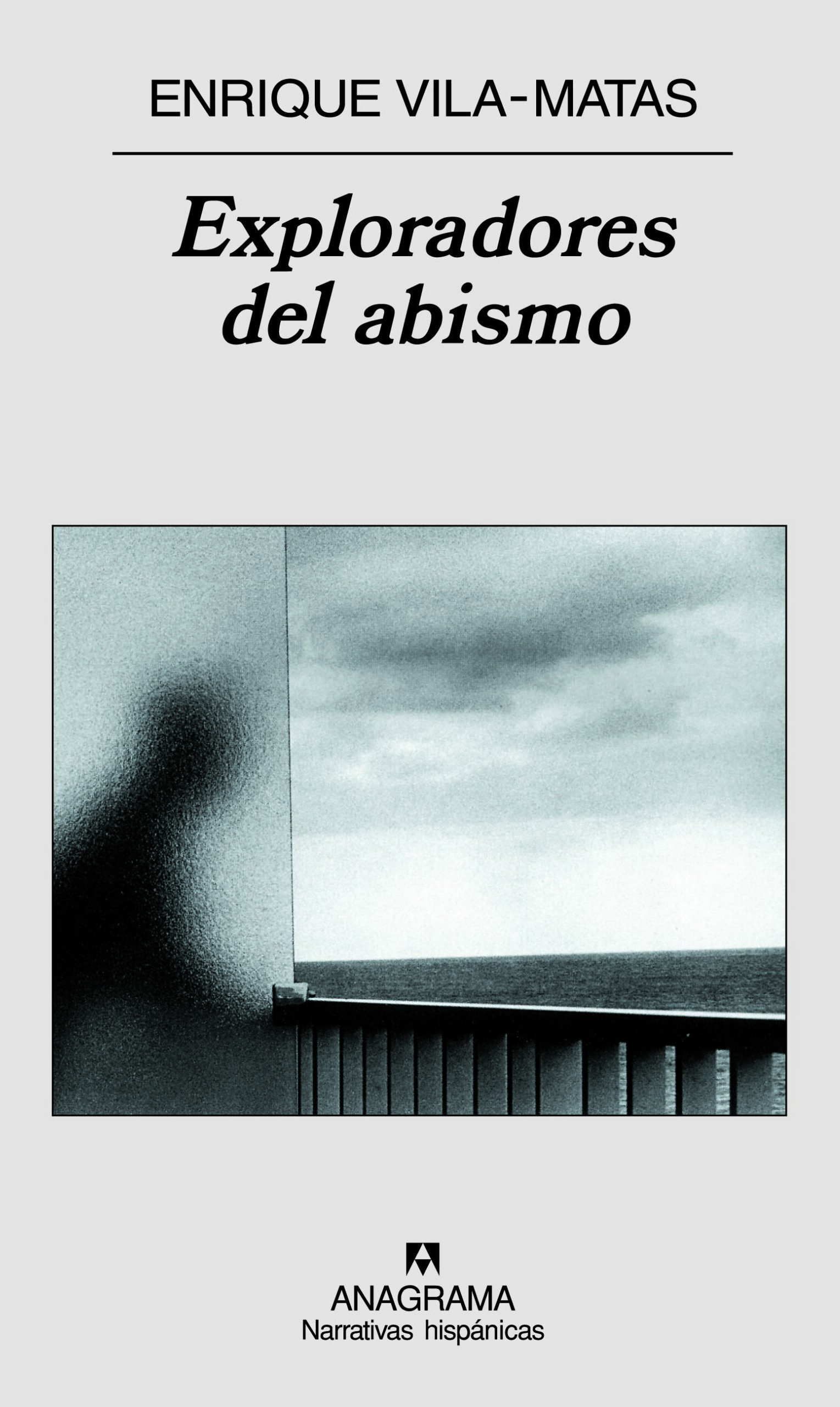
Explorers in the Abyss | Anagrama, 2007
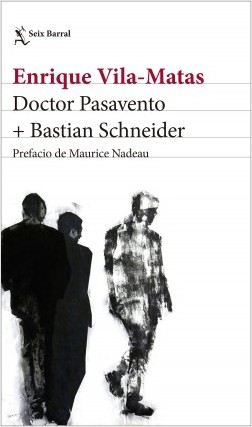
Doctor Pasavento + Bastian Schneider | Anagrama, 2005; PRH/DeBolsillo, 2016; Seix Barral, 2017

Light Wind in Parma | México, Sexto Piso, 2004 / España, 2008
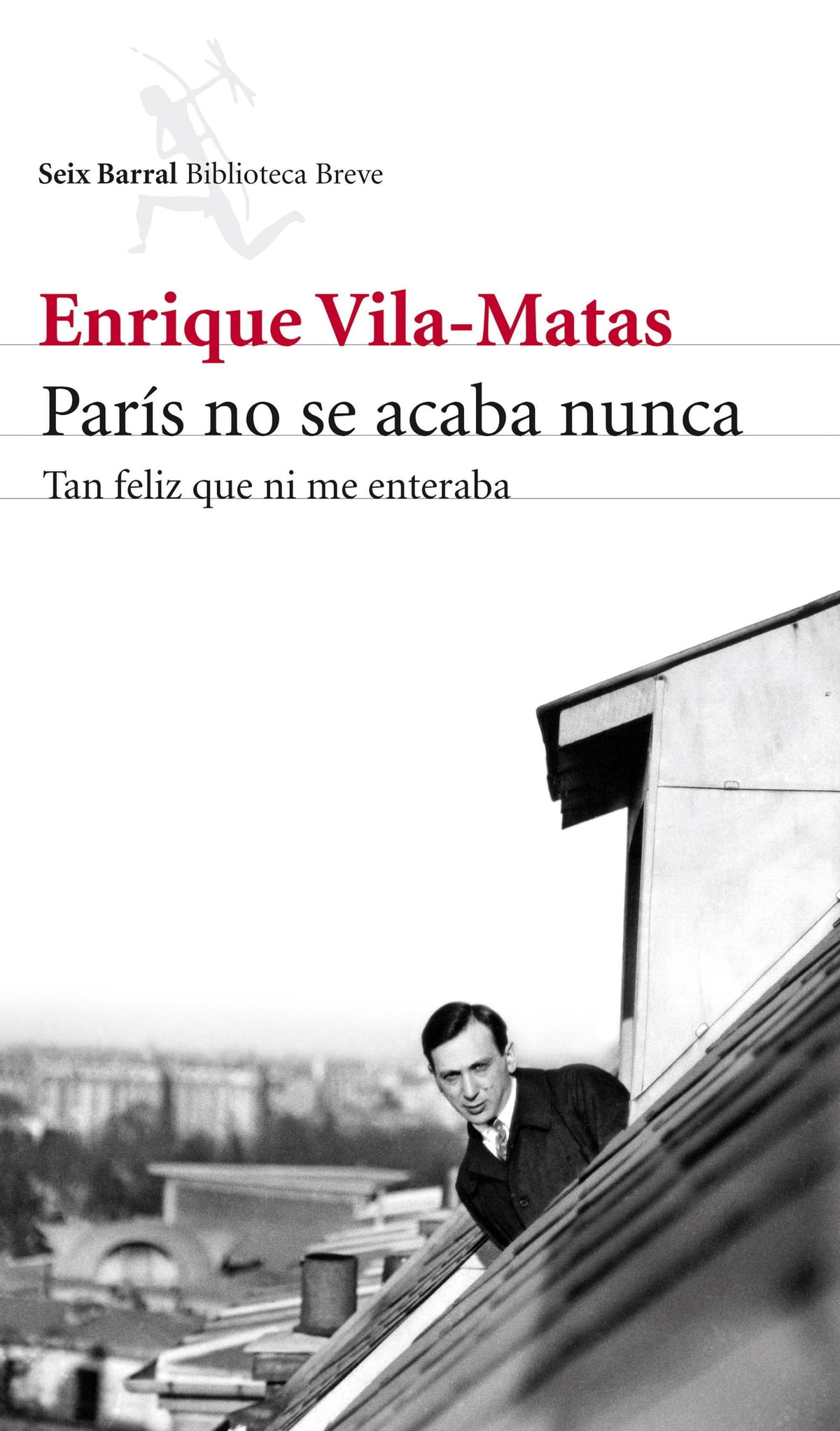
Paris Never Ends | Anagrama, 2004; Seix Barral, 2013; PRH/DeBolsillo, 2014
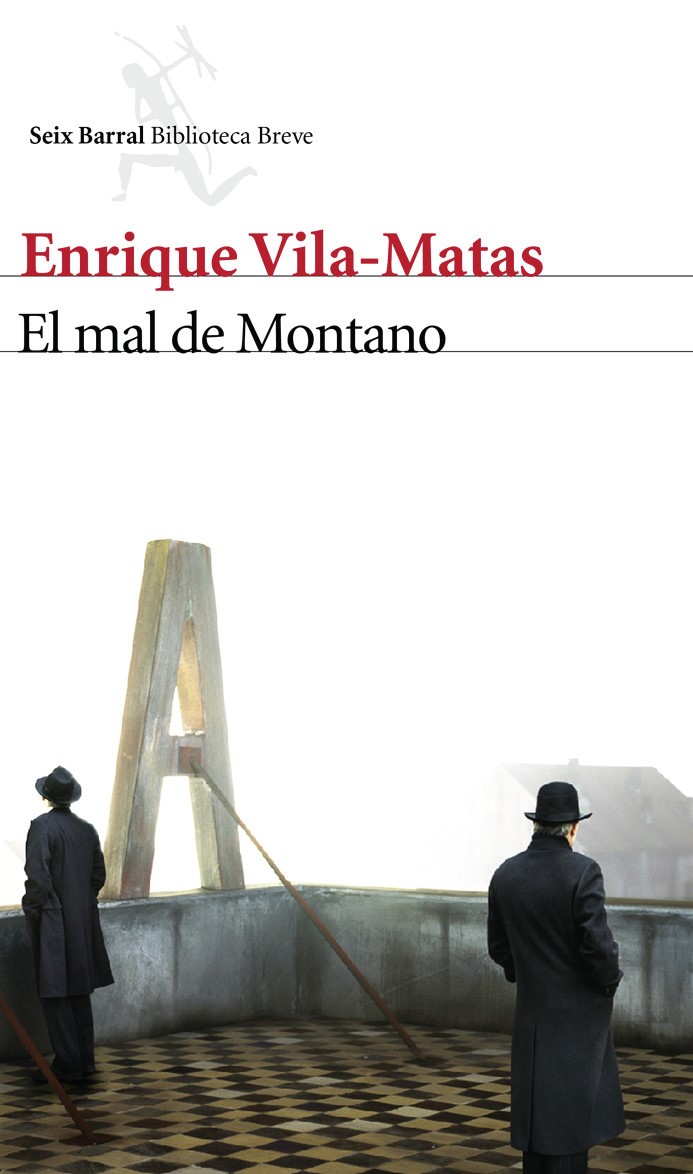
Montano’s Malady | Anagrama, 2002; Seix Barral, 2012; PRH/DeBolsillo, 2013
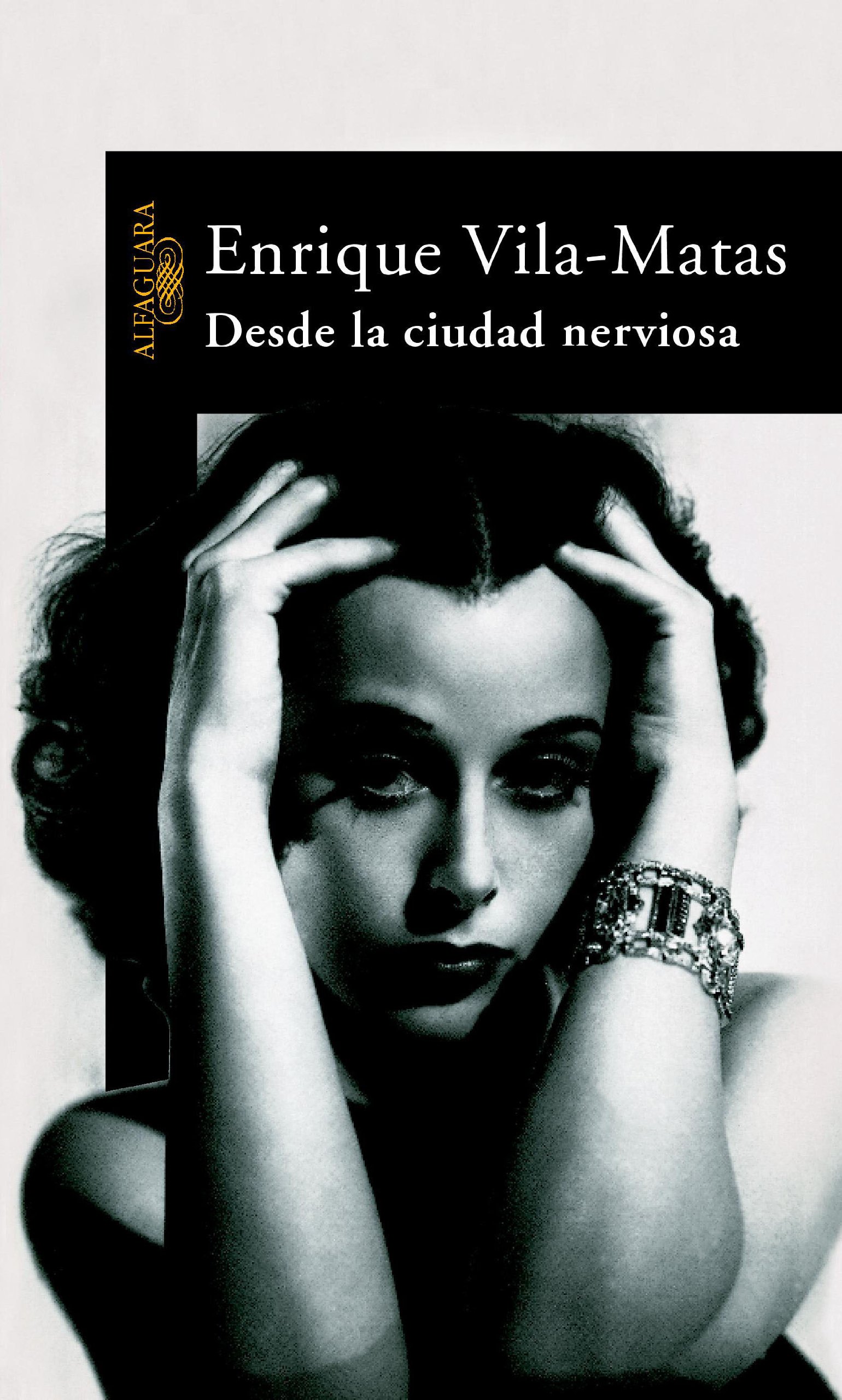
From the Restless City | Alfaguara, 2000
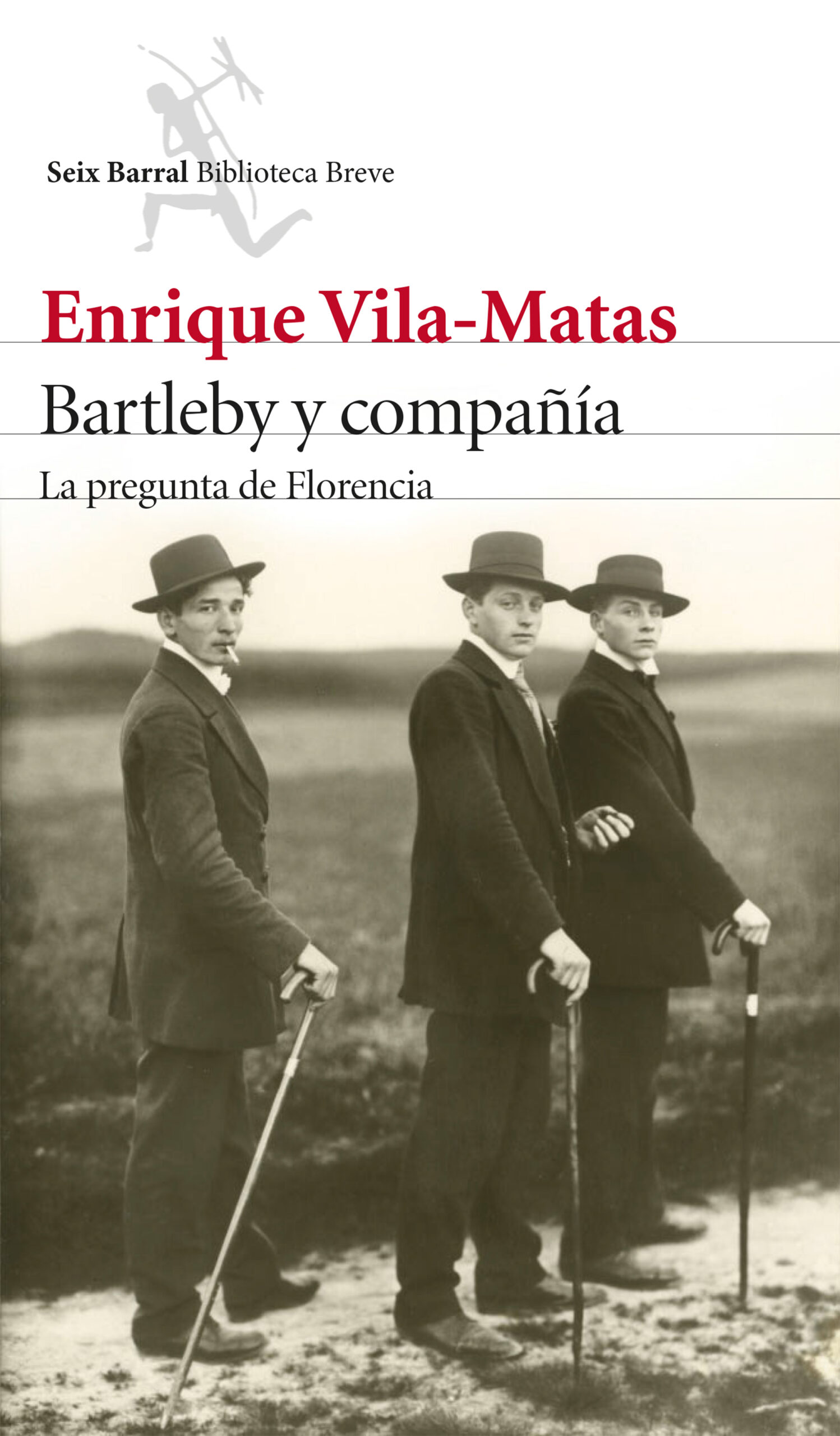
Bartleby & Co | Anagrama, 2000; Seix Barral, 2015; PRH/DeBolsillo, 2016
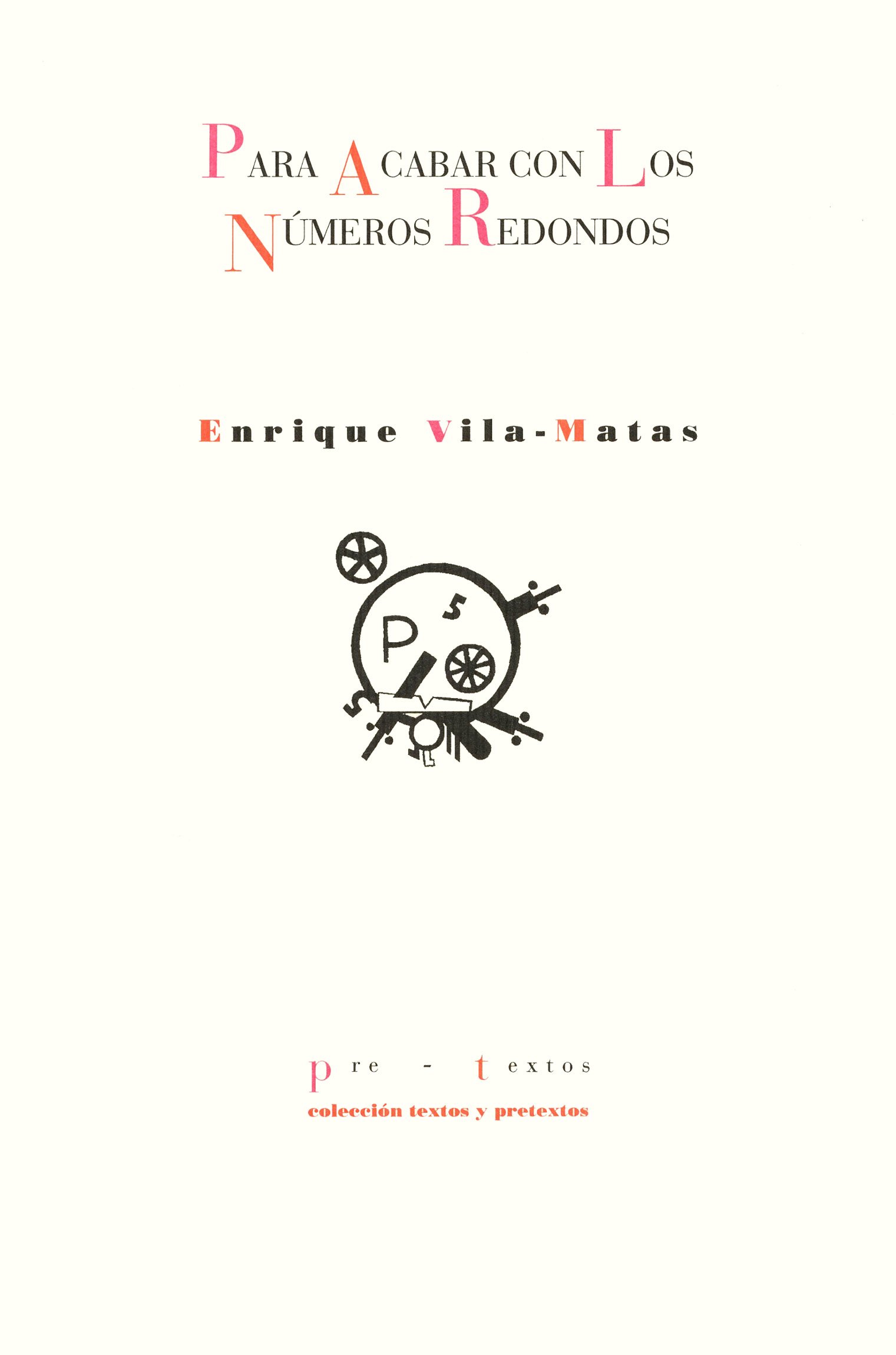
In Order to End Up with Round Numbers | Pre-Textos, 1997
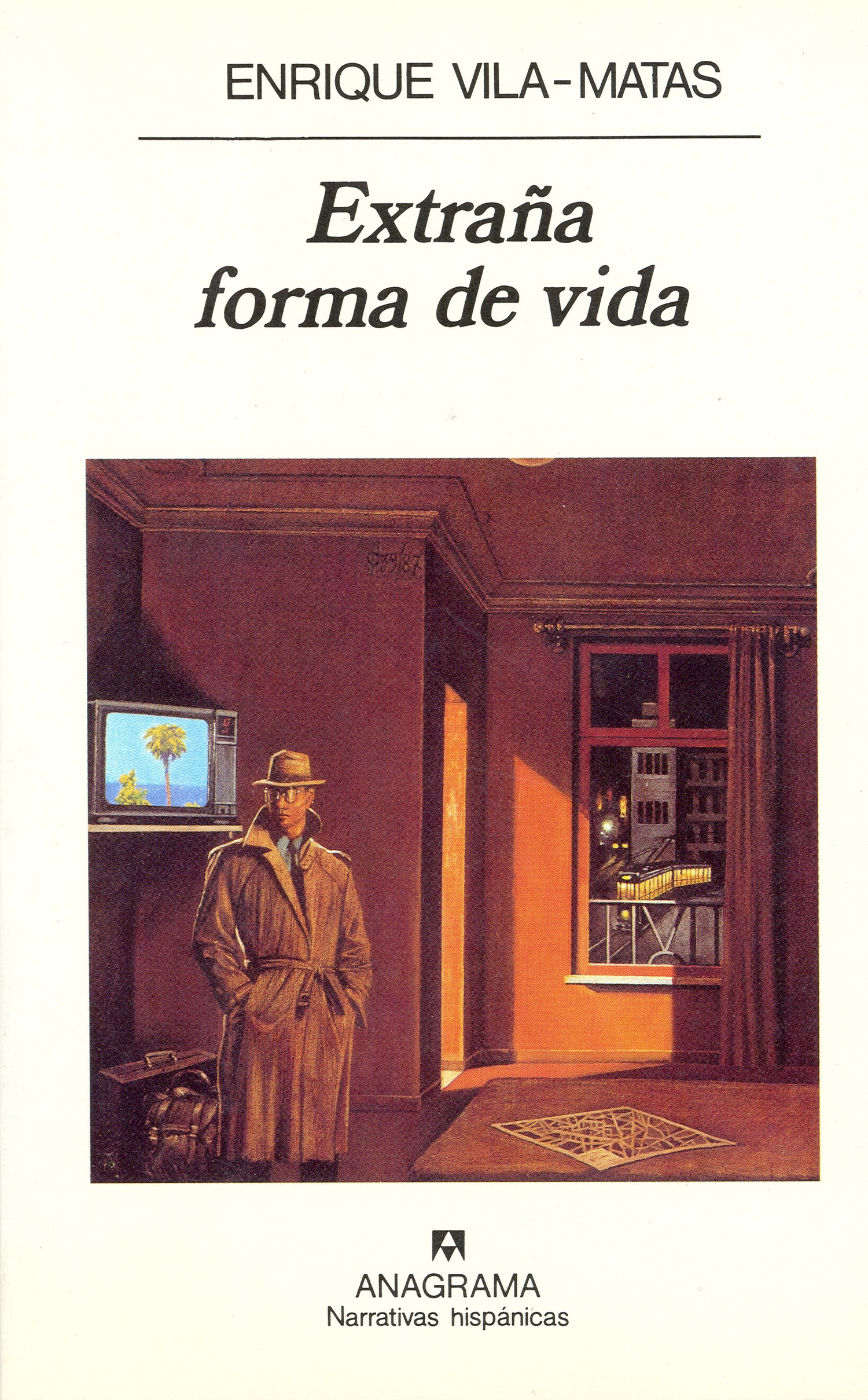
Strange Way of Life | Anagrama, 1997; PRH/DeBolsillo, 2013
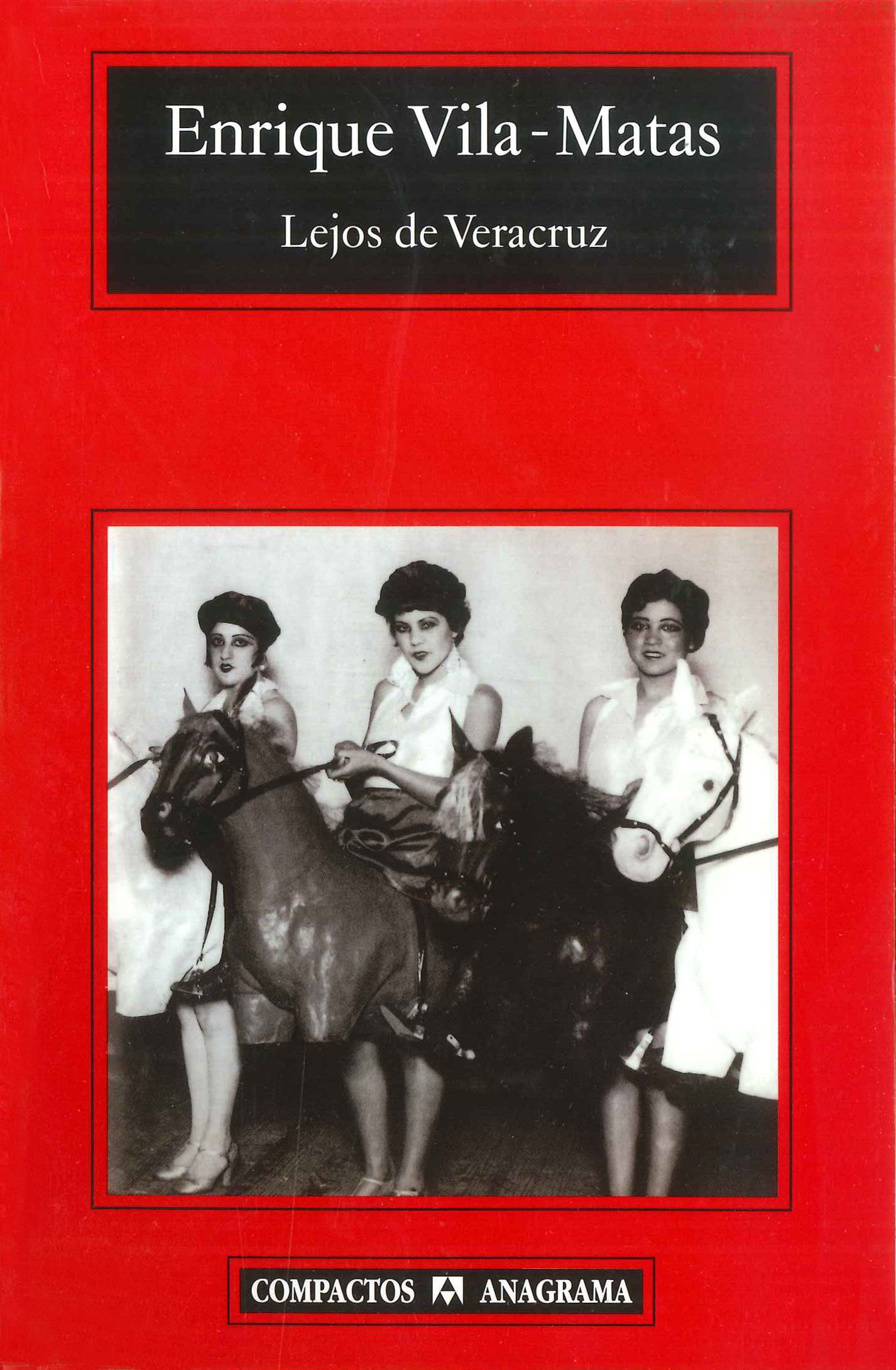
A Long Way from Veracruz | Anagrama, 1995; PRH/DeBolsillo, 2011
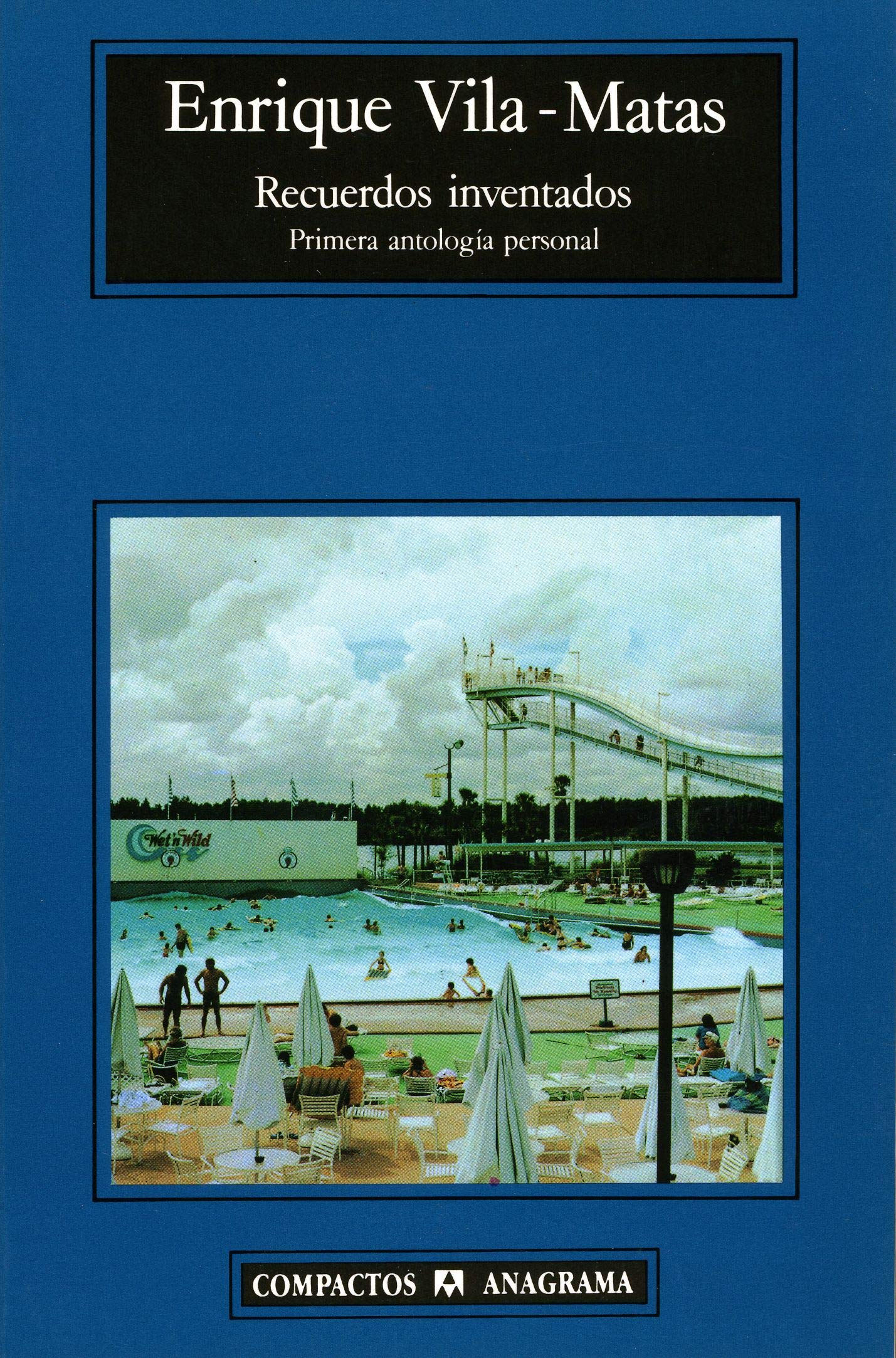
Invented memories | Anagrama, 1994; Compactos, 2007
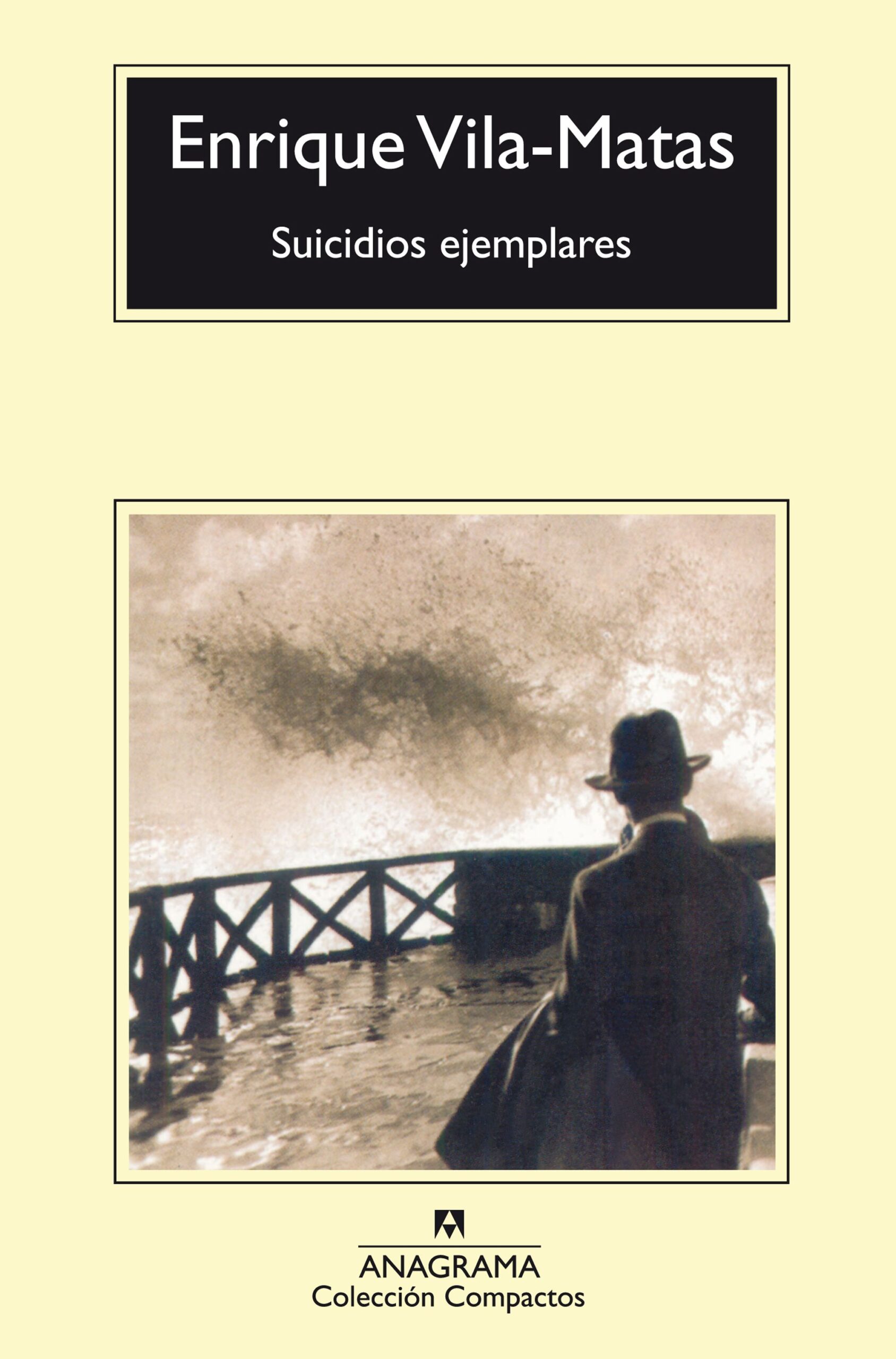
Exemplary Suicides | Anagrama, 1991; PRH/DeBolsillo, 2015
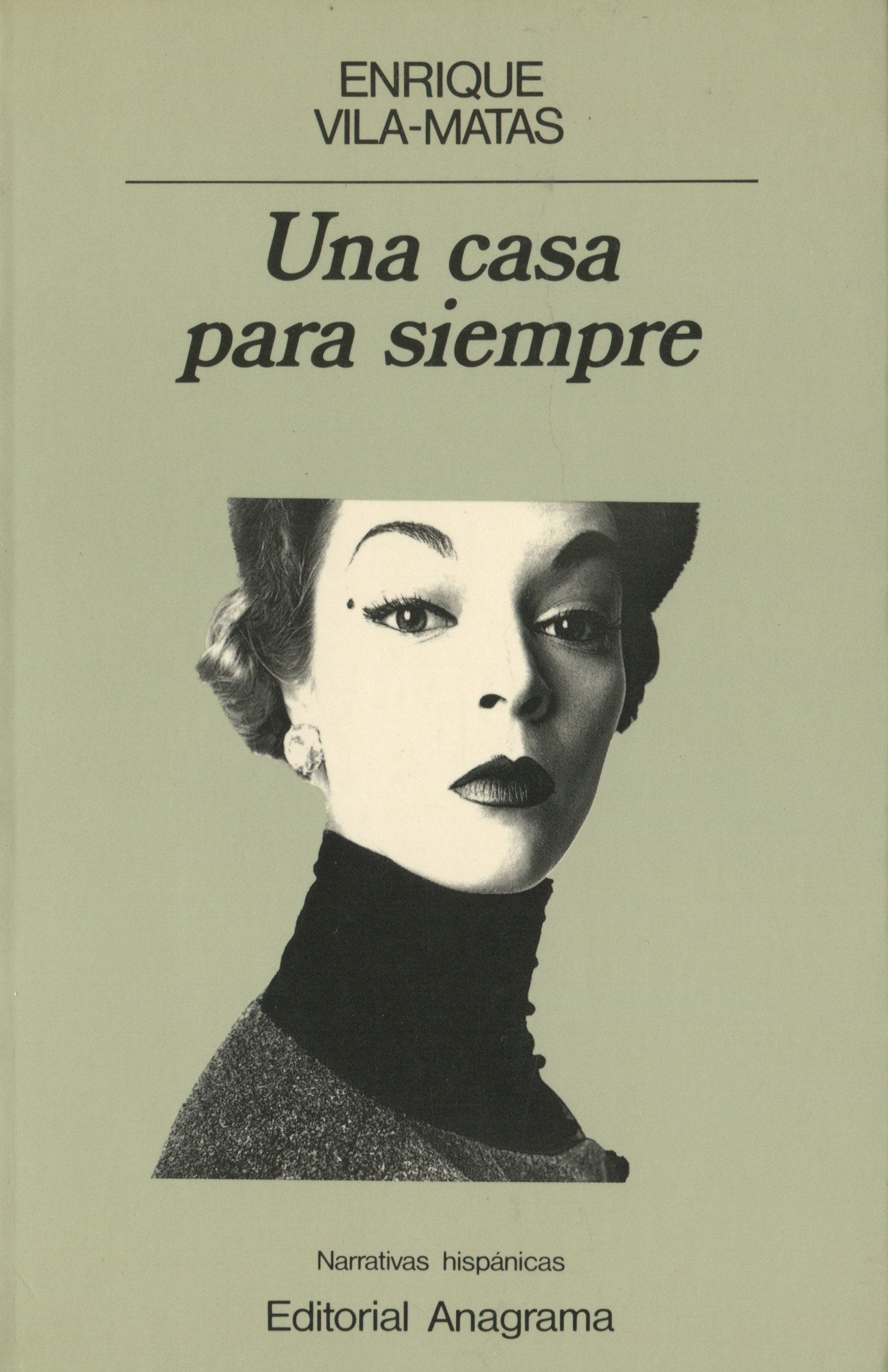
A House For Ever | Anagrama, 1988 / Compactos, 2002
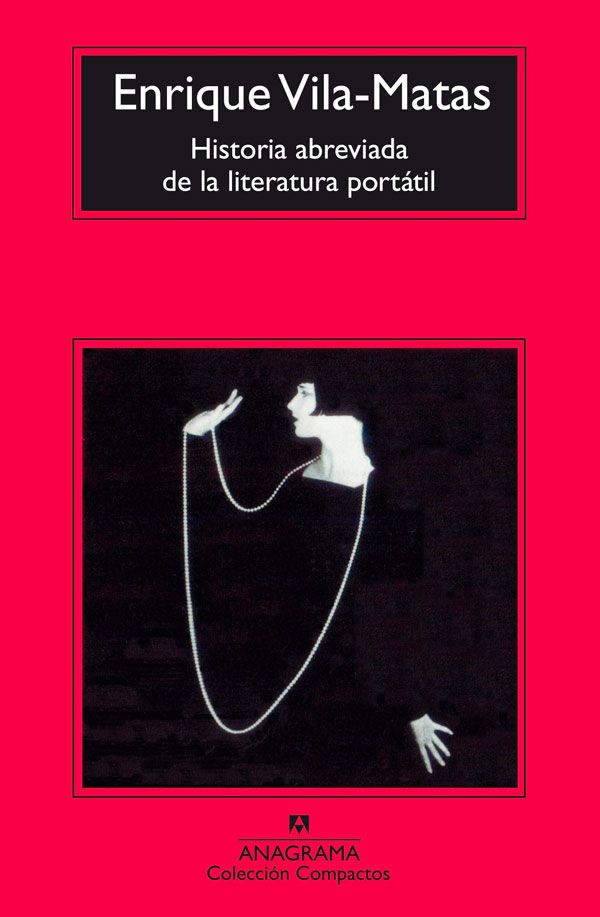
A Brief History of Portable Literature | Anagrama, 1985; PRH-DeBolsillo, 2015
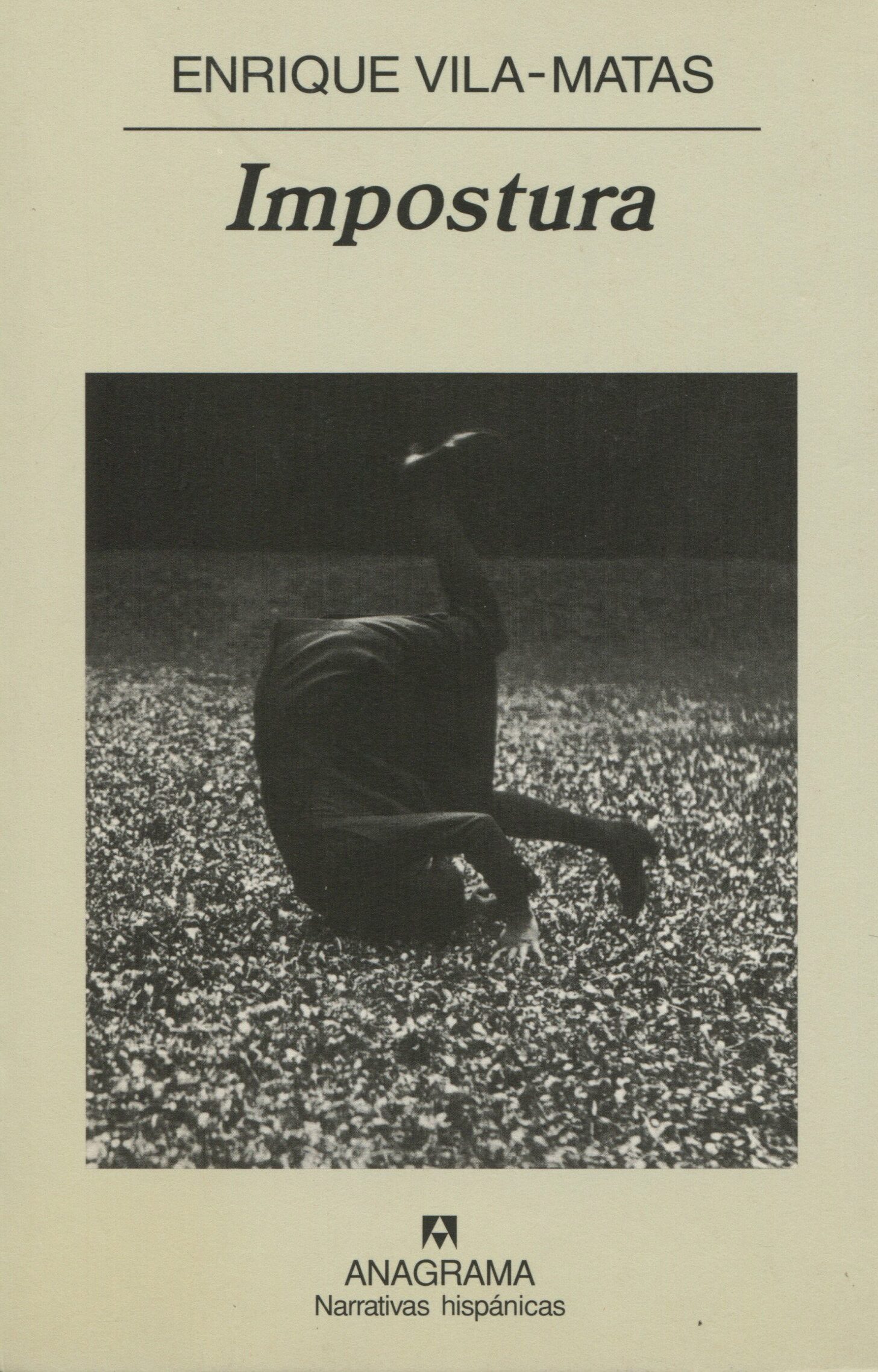
Imposture | Anagrama, 1984
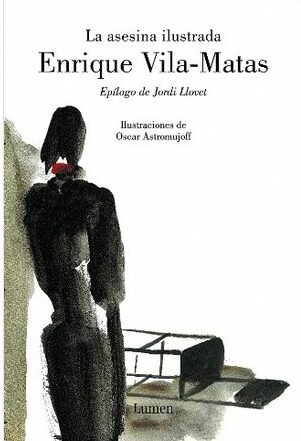
An Enlightened Murderess | Tusquets, 1977 / Lengua de Trapo, 1996 / Lumen, illustrated edition, 2005
© 2022, MB Agencia Literaria
All rights reserved
© for the illustrations: Luci Gutiérrez
© for the design: César Muñoz